
Component-Level Solutions for Critical System Failures
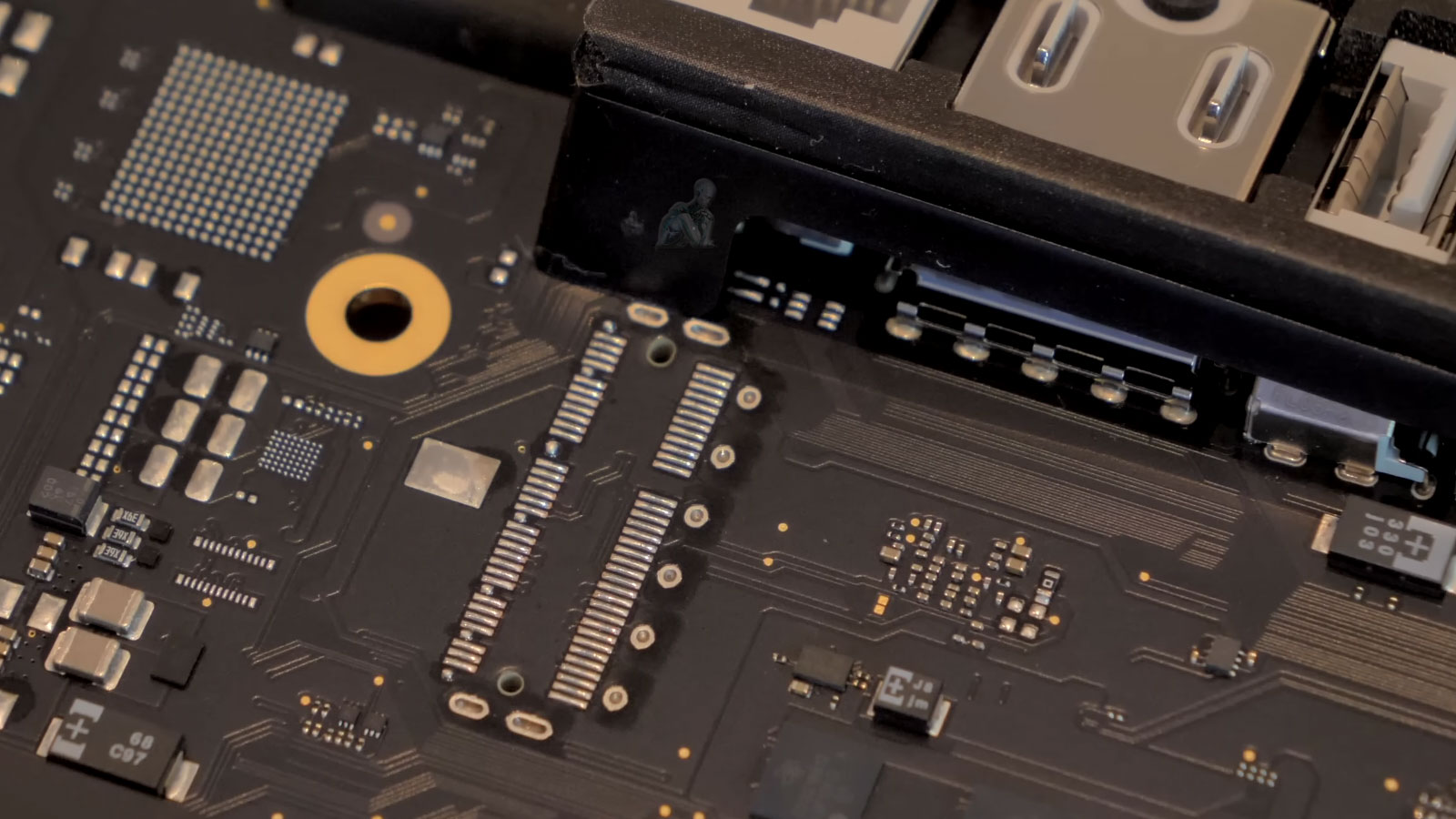
When an iMac experiences critical system failures, the root cause is often traced to the logic board, where power regulation, data communication, and core system control are managed. Issues at this level can affect startup behavior, peripheral detection, display output, and overall system stability. Addressing these conditions requires a component level approach, where individual circuits and elements are evaluated to determine precisely where the failure originates.
This process involves detailed inspection, electrical testing, and analysis of the board’s behavior under controlled conditions. Rather than replacing the entire assembly, targeted repair focuses on restoring functionality by identifying and correcting faults within specific sections of the logic board. By working at this level of precision, it becomes possible to resolve complex issues while preserving the integrity of the original system architecture.
Symptoms Commonly Linked to Logic Board Failure
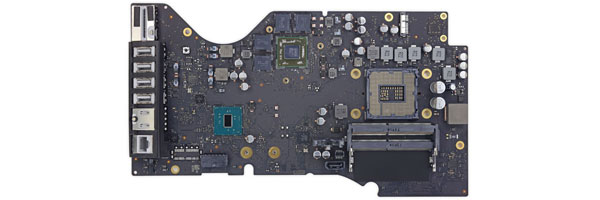
Logic board issues often imitate other hardware problems, which makes accurate diagnosis essential. Typical signs include:
- No power response when attempting to start the iMac
- Black screen with fans spinning or stopping randomly
- Unexpected shutdowns or continuous restart loops
- Non-functional USB ports, audio, camera, or internal devices
- Freezing during startup or stalling at the Apple logo
- Electrical odor, visible damage, or liquid exposure
- No startup sound or indicator activity
Power Distribution and Signal Integrity Analysis
The logic board is responsible for distributing power and maintaining stable communication between all internal components of the iMac. Any disruption in voltage regulation or signal integrity can lead to unpredictable system behavior, including intermittent shutdowns, peripheral failures, or inconsistent startup conditions. Evaluating these factors requires precise measurement of power rails and verification of data pathways across the board.
By analyzing how power is delivered and how signals travel between critical sections, it becomes possible to identify irregularities that are not immediately visible through surface inspection. This level of assessment helps isolate faults within specific circuits, ensuring that corrective actions address the underlying issue rather than secondary symptoms. Maintaining proper power and signal stability is essential for reliable system operation.
Supported iMac Models
This service applies to:
- iMac 21.5-inch and 27-inch systems from 2011 to 2020
- Retina 4K and 5K iMac configurations
- iMac Pro models
- Intel-based iMacs using T2 security architecture
Apple Silicon iMacs have more limited board repair paths due to integration and require evaluation to determine feasibility.
How the Repair Is Performed
Targeted Diagnostics
The logic board is examined using voltage analysis and signal tracing to isolate failed circuits, controllers, or power paths.
Component-Level Repair
When a fault is identified, only the affected components are repaired or replaced. This may include capacitors, regulators, MOSFETs, or integrated control chips, handled with precision micro-soldering equipment.
System Verification
After repair, the iMac is fully reassembled and tested under sustained load to confirm power stability, thermal behavior, and reliable communication between all components.
Data Considerations
If storage remains intact but the system is unstable, options exist to protect or transfer data before completing the repair.
Post Repair Validation and System Stability Testing
After logic board repair is completed, a structured validation process is necessary to confirm that the system operates consistently under normal conditions. This includes verifying startup behavior, monitoring system response, and ensuring that all major components communicate correctly with the restored board. Testing is performed in a controlled environment to observe how the system performs over time.
Stability testing also involves monitoring thermal behavior, power consistency, and overall system responsiveness to ensure that the repair has resolved the original issue without introducing new variables. Confirming these factors helps ensure that the iMac can return to regular use with dependable performance. This final stage reinforces the reliability of the repair and supports long term system functionality.
Service Coordination
For desktop systems such as iMacs, pickup and return arrangements can be coordinated within Miami-Dade County when transport is needed. All systems are handled using static-safe procedures and serviced in a controlled environment.
If the failure is isolated to specific circuits and the rest of the system remains sound, board-level repair can significantly extend the usable life of the iMac while avoiding the cost and disruption of full replacement.