
Resolving Storage Failures and Improving System Performance
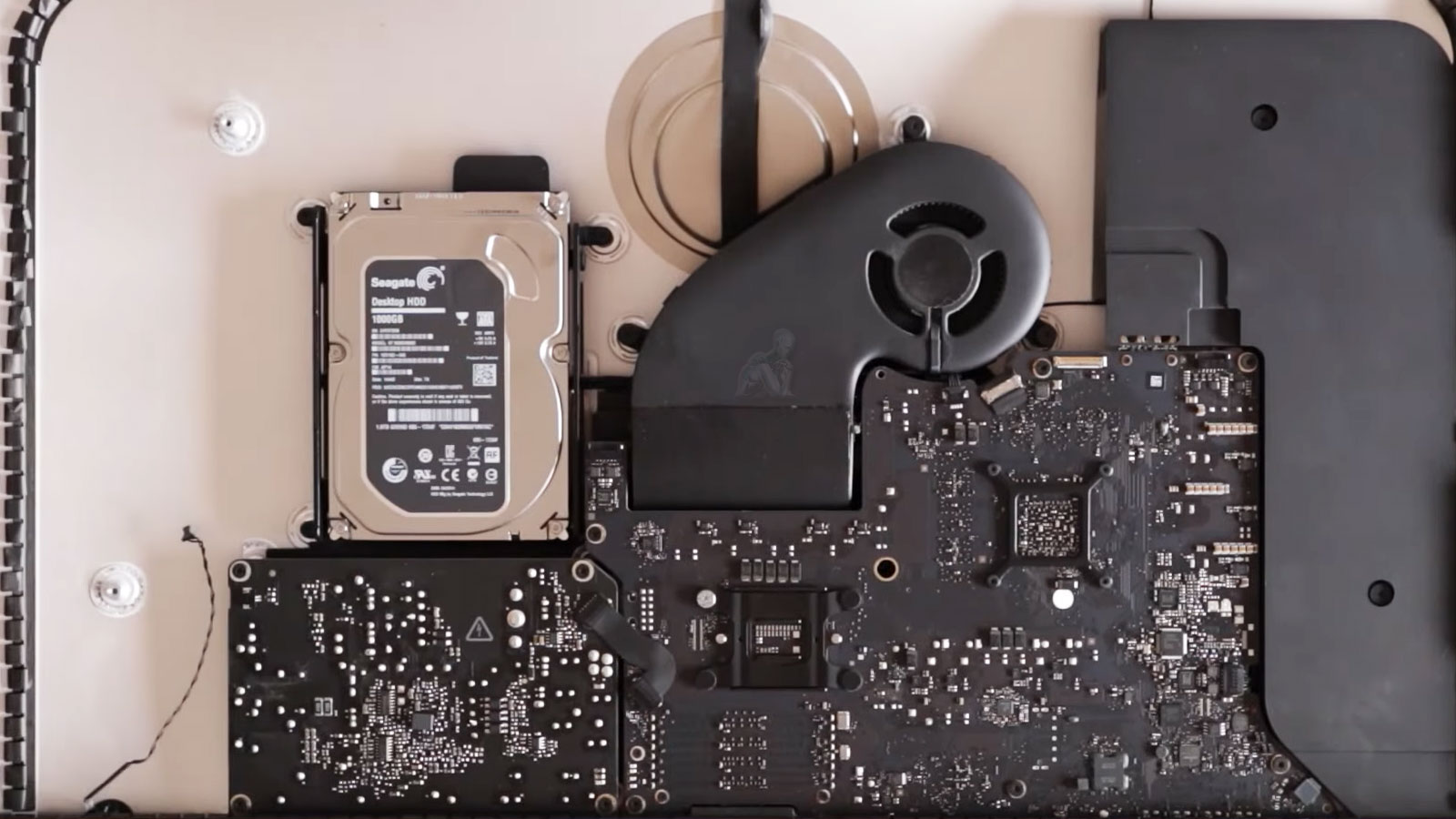
Storage plays a central role in how an iMac operates, influencing everything from startup time to application responsiveness and file access speed. When a traditional hard drive begins to degrade or fail, the effects often appear as slow performance, delayed loading, or inconsistent system behavior. Addressing these conditions requires a clear evaluation of the storage device and its interaction with the overall system, ensuring that both reliability and performance are considered before any corrective action is taken.
Replacing or upgrading the internal drive provides an opportunity to restore stability while also improving efficiency. Transitioning from older storage technology to solid state configurations can significantly reduce access times and enhance overall system responsiveness. Careful installation, proper system configuration, and alignment with the iMac’s design ensure that the upgraded storage operates consistently, supporting long term usability without introducing compatibility issues.
Indicators That Storage Replacement Is Needed
Extended startup times or delayed app launches
System freezes or repeated spinning cursor behavior
Unusual clicking or grinding sounds from inside the iMac
macOS failing to load or stalling during startup
Disk health warnings or corrupted file reports
Storage space no longer meeting daily usage needs
Addressing storage issues early helps reduce the risk of data loss and broader system instability.
Storage Options Available
High-capacity traditional hard drives
Solid-state drives for faster boot and load times
NVMe-based storage where model support allows
Hybrid or converted configurations depending on system design
Recommendations are made based on usage needs, system compatibility, and long-term reliability.
Data Preservation and Pre Replacement Considerations
Before any storage replacement is performed, it is important to evaluate the condition of the existing drive and determine the safest approach for handling the data it contains. In some cases, the drive may still be partially accessible, allowing for structured data transfer prior to removal. In other situations, instability or failure may require a more controlled extraction process to avoid further data loss. Understanding the state of the storage device ensures that appropriate steps are taken before any hardware changes are introduced.
Pre replacement considerations also include verifying system compatibility, confirming storage configurations, and identifying any factors that may affect data accessibility. This stage helps establish whether the focus should be on direct replacement, data migration, or recovery before proceeding. Taking these precautions supports a more predictable outcome and reduces the risk of unintended data loss during the transition.
Service Area and Availability
iMac storage replacement services are available throughout Miami-Dade County, including Downtown Miami, Coral Gables, Brickell, Doral, Kendall, Pinecrest, Aventura, Homestead, and surrounding communities.
Arrangements for system transport can be discussed when scheduling service.
How the Storage Replacement Is Performed
Drive Health Assessment
The existing drive is evaluated to confirm failure, degradation, or capacity limitations and to determine compatibility with replacement options.
Drive Replacement or Upgrade
Depending on the iMac model, the system is fitted with a new hard drive or upgraded to solid-state storage for faster performance and improved reliability. Fusion Drive conversions and SSD-only configurations are handled when supported.
System Installation and Configuration
A compatible version of macOS is installed and configured to ensure stable operation and optimal performance.
Data Handling Options
When the original drive is readable, files and user data can be transferred to the new storage. If the drive has failed, recovery options may be evaluated separately.
Final Validation
Boot behavior, storage performance, and system stability are verified before return.
Post Installation Configuration and System Alignment
After a new storage device has been installed, proper configuration is essential to ensure the iMac operates as expected. This includes preparing the drive with the appropriate file system, aligning it with the system’s firmware requirements, and verifying that macOS recognizes the device correctly. These steps help establish a stable foundation for system operation and prevent inconsistencies that could affect performance.
Additional considerations involve confirming startup behavior, optimizing storage utilization, and ensuring that system resources interact efficiently with the new drive. When these elements are properly aligned, the iMac benefits from improved responsiveness and consistent operation. This final stage ensures that the storage upgrade is not only physically complete but also fully integrated into the system environment.
Supported iMac Models
iMac 21.5-inch and 27-inch models (2012–2020)
iMac Retina 4K and 5K
iMac Pro
Intel-based iMac systems
Apple Silicon iMacs evaluated individually due to limited internal upgrade paths
Each model is serviced according to its specific internal design.
If your iMac is experiencing storage-related issues or no longer meets your performance needs, you can request an evaluation using the contact us page or by calling directly for a faster and more efficient response. Providing details about symptoms and model information helps determine the most appropriate solution and allows the process to move forward more quickly and conveniently.