
Mac Repair in Miami
Focused repair for Apple systems, including logic board diagnostics, component-level work, and performance restoration without unnecessary replacement.
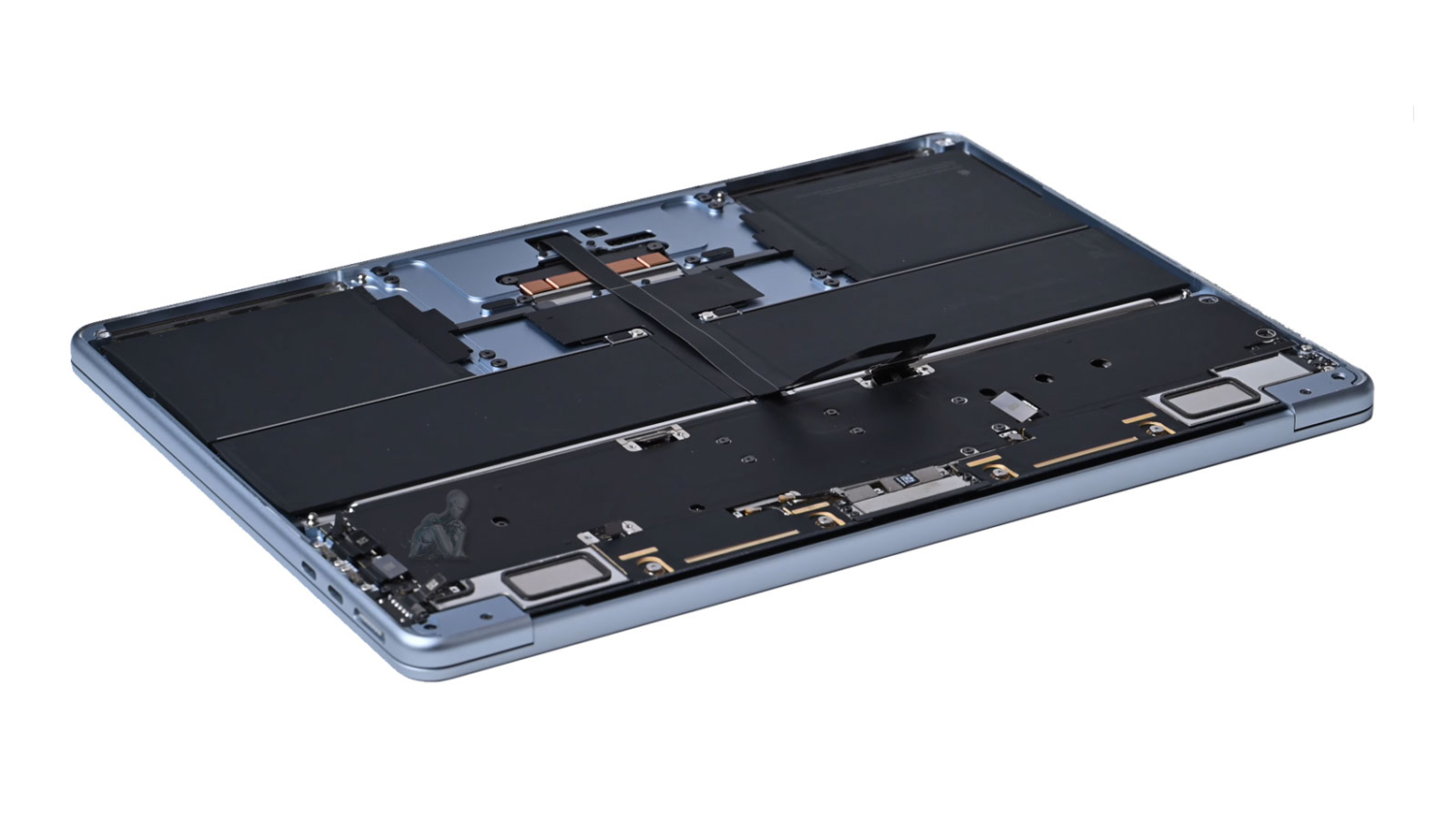
Mac systems are built with tightly integrated hardware and software, where even minor faults can affect multiple functions at once. A power issue, display problem, or liquid exposure can extend beyond a single component, requiring careful evaluation rather than isolated fixes.
Mac repair in Miami is approached with attention to how Apple systems are designed, working within their architecture to identify the exact point of failure and restore functionality in a controlled and reliable way.
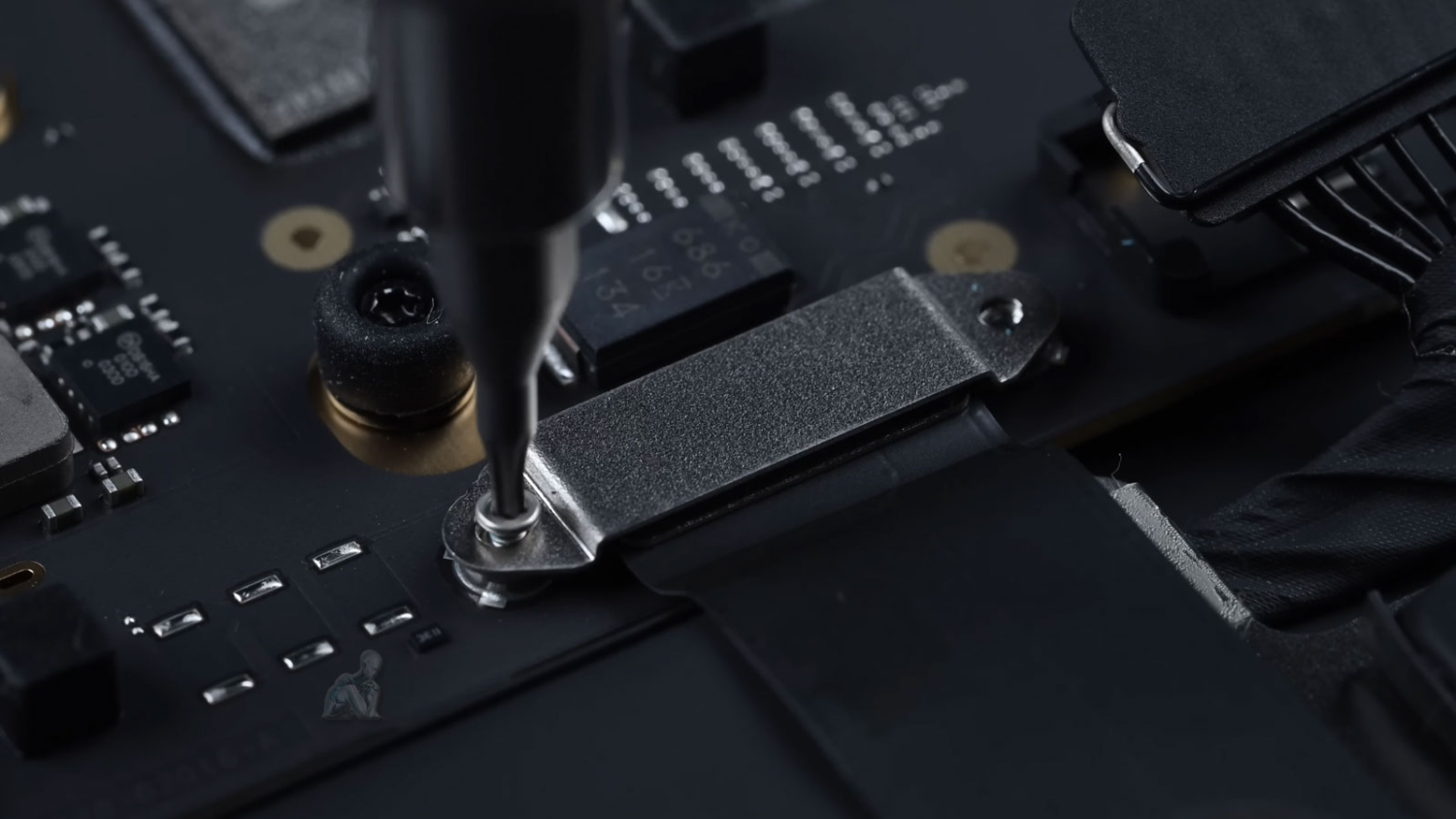
Apple devices rely on compact logic boards, integrated components, and precise power management systems. Unlike traditional desktop hardware, many parts are soldered directly onto the board, making replacement less straightforward and often unnecessary when the fault can be corrected at the component level.
Understanding how these systems behave under failure conditions allows for more accurate repair decisions, avoiding unnecessary replacement of entire assemblies when targeted repair is possible.
Logic Board Repair
Component-level repair on MacBook and iMac logic boards, including power circuits, short detection, and recovery from electrical faults.
SSD and Storage Solutions
Data access, storage troubleshooting, and SSD-related repair or upgrade depending on model limitations.
Liquid Damage Recovery
Internal cleaning, corrosion control, and circuit stabilization following liquid exposure affecting Apple systems.
Thermal and Cooling Correction
Addressing overheating, fan issues, and thermal imbalance affecting performance and system stability.
MacBook Screen Repair
Replacement and repair of Retina displays, backlight systems, and display-related issues.
macOS Installation and Recovery
Clean installation, system recovery, and correction of software-level issues affecting startup and performance.
MacBook not turning on
May involve power rail failure, logic board faults, or battery-related issues affecting startup behavior.
MacBook overheating or running slow
Thermal imbalance, fan issues, or system-level inefficiencies can reduce performance over time.
MacBook shows no image but powers on
Display-related faults can involve the screen, backlight circuitry, or internal display connections.
macOS not loading or stuck on startup
Operating system corruption, storage issues, or hardware faults may prevent proper system initialization.
Liquid spill on MacBook
Liquid exposure can affect multiple circuits at once, requiring cleaning and inspection before further damage develops.
Battery not charging properly
Charging problems may be linked to battery condition, charging circuits, or logic board behavior.
Working Within Apple’s Design
Apple systems are engineered with a high level of integration, where components are interconnected and often dependent on each other. This design improves efficiency but also requires a more precise approach when diagnosing faults.
Repair decisions are based on how the system behaves as a whole rather than isolating parts without context. Identifying the correct failure point allows for more accurate repair, preserving the original structure of the device whenever possible.
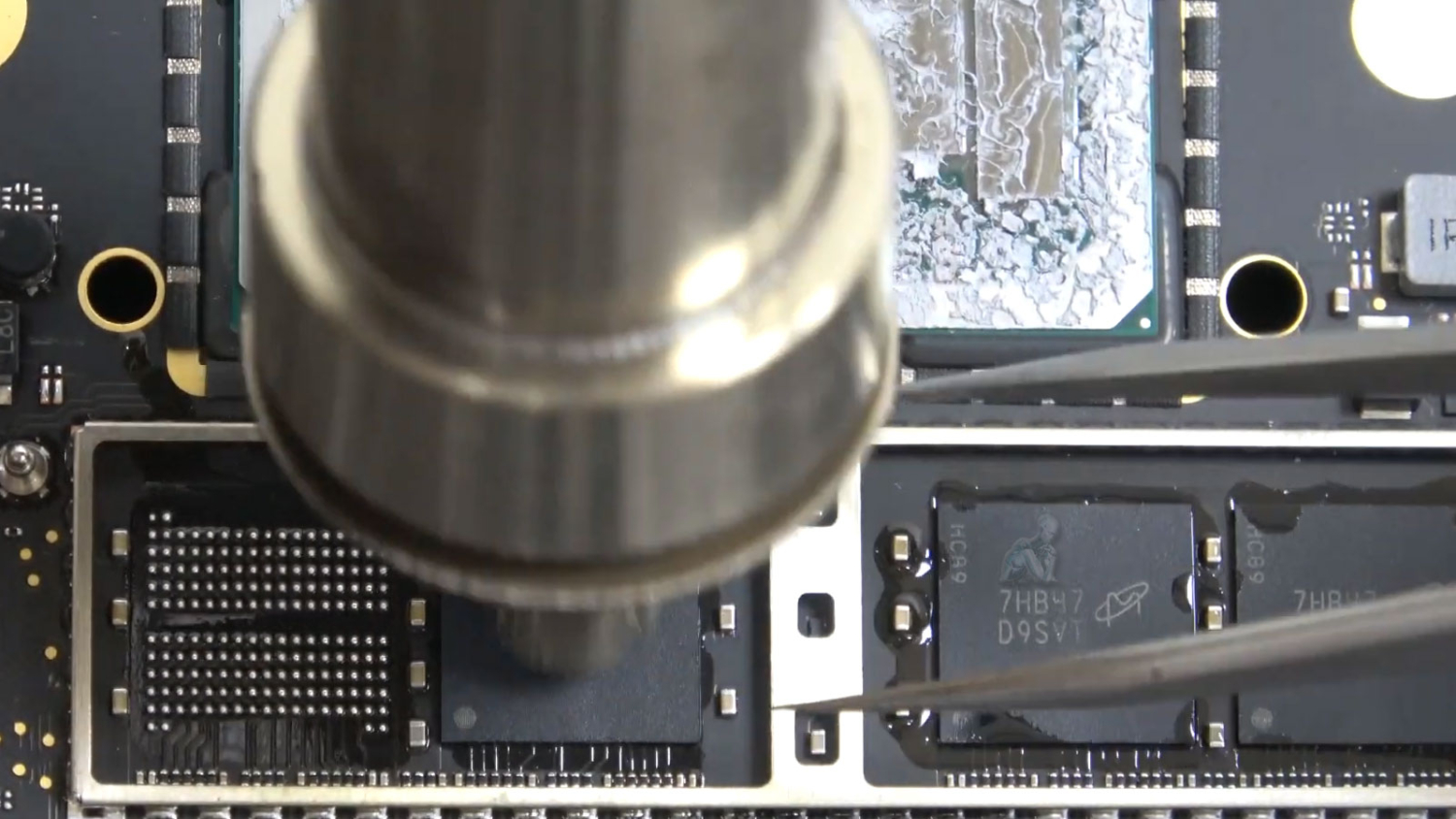
Component-level repair allows specific faults on the logic board to be corrected without replacing the entire unit. This includes addressing power issues, shorted components, and signal faults that prevent normal operation.
Mac Repair in Miami for Everyday Reliability
Mac systems are used across Miami in both personal and professional environments where consistency and performance are expected. When a failure occurs, it can interrupt work, communication, and daily routines.
Mac repair in Miami focuses on restoring that reliability through careful diagnosis and precise repair, ensuring the system performs as expected without recurring issues.
Repairing Apple systems requires more than replacing parts. It requires understanding how each component interacts within a tightly integrated design. By focusing on accurate diagnosis and controlled repair, it becomes possible to restore function without unnecessary replacement or guesswork.
The result is a system that operates as intended, with stability and consistency that can be relied on over time.