
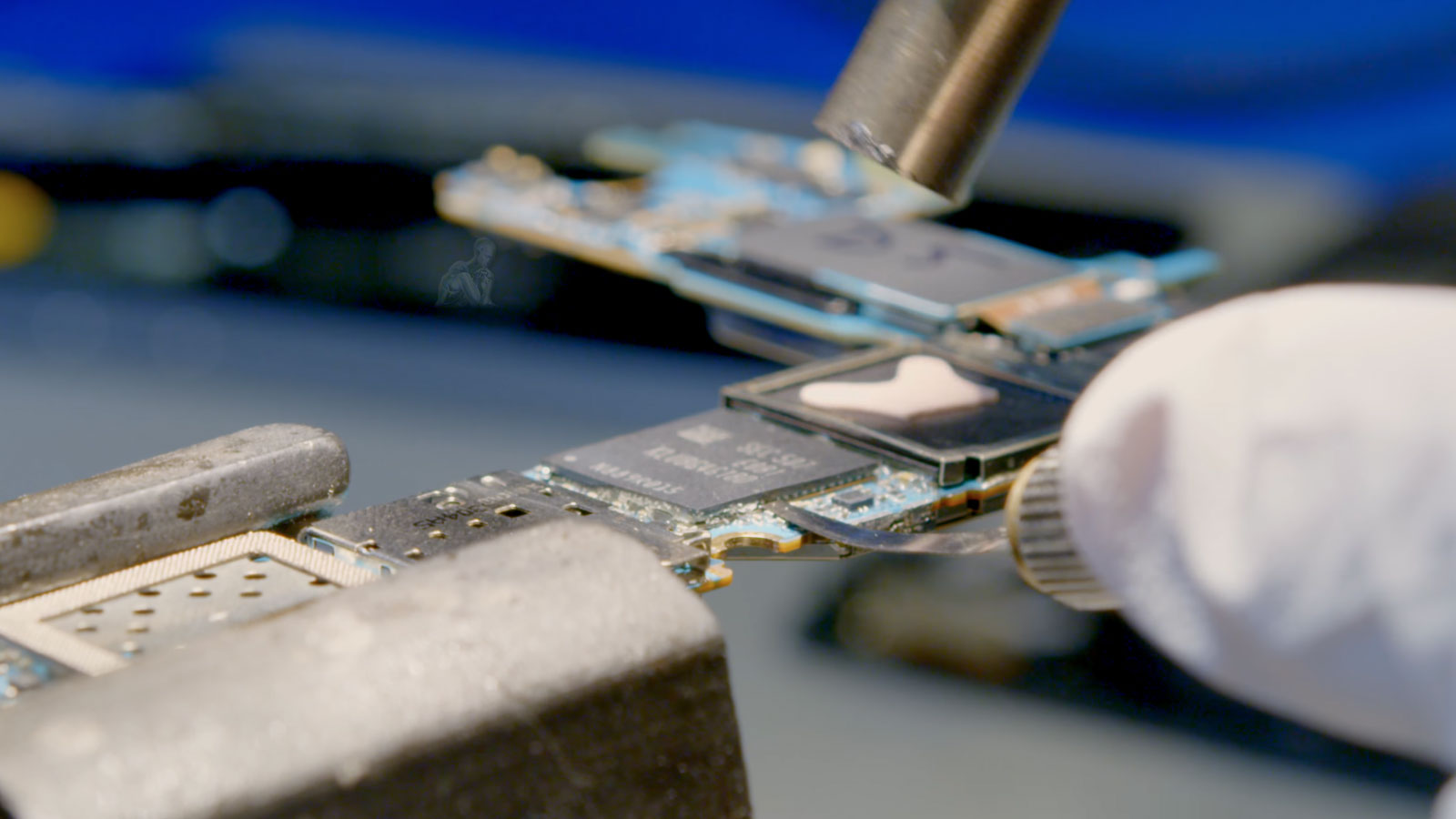
Mac Recovery and File Retrieval Services
Mac data recovery focuses on retrieving files from macOS-based systems when stored data is no longer accessible through normal system operation. Data loss on a Mac may occur due to file system corruption, storage failure, operating system errors, accidental deletion, or physical damage affecting the storage device. In many cases, the data remains present on the drive even when the system fails to boot or recognize stored volumes. This means that even when access appears completely lost, underlying data structures may still exist and can often be accessed through controlled recovery methods. Recovery efforts are centered on accessing that remaining data safely, without introducing further changes to the storage device.

Common Mac Data Loss Conditions
Mac data recovery may be required when a system exhibits one or more of the following conditions:
- macOS fails to load or stalls during startup
- Files were deleted or overwritten unintentionally
- Internal or external drives mount but appear empty or unreadable
- Corrupted APFS or HFS+ file systems
- Time Machine backup failures
- Power loss or electrical damage affecting stored data
- Liquid exposure impacting system operation
These conditions may affect both internal storage and externally connected devices. In some cases, symptoms may appear gradually, such as increasing read errors or delayed file access, before full data inaccessibility occurs.
Post-Recovery Handling
Recovered files are verified for structural integrity and readability before being transferred to a separate storage device. Original Mac drives are not reused for restored data to prevent overwriting recovered content. File organization is also reviewed to ensure that recovered data remains accessible and usable, especially in cases where directory structures were affected during the failure.
Supported Mac Storage Media
Mac data recovery applies to multiple Apple-supported storage technologies, including:
- Internal SSDs and NVMe storage
- Mechanical hard drives (HDD)
- Fusion Drive configurations
- External USB, Thunderbolt, and network-connected storage
- Removable flash media used with macOS systems
Each storage type is evaluated individually before any recovery procedure begins. Differences in storage architecture, controller behavior, and file system structure require specific handling methods depending on the device involved.
Recovery Scope and Technical Considerations
Recovery feasibility depends on the type of failure involved. Logical failures, such as accidental deletion or file system corruption, generally allow higher recovery potential. Physical damage, controller failure, or encryption-related issues may limit accessibility and require advanced extraction methods. Modern macOS systems may also include encryption layers such as FileVault, which can affect how data is accessed and reconstructed. These conditions are evaluated carefully before any attempt is made to retrieve information. All recovery procedures prioritize non-destructive access to avoid additional data loss. This approach ensures that the original storage medium is preserved as much as possible during the process.
Applicable Systems
Mac data recovery applies to MacBooks, iMacs, Mac minis, and Mac Pro systems running macOS. Compatibility is determined by storage architecture and failure type rather than system model alone. This includes both older Intel-based systems and newer Apple silicon devices, each of which may use different storage integration methods that influence how recovery is approached.