
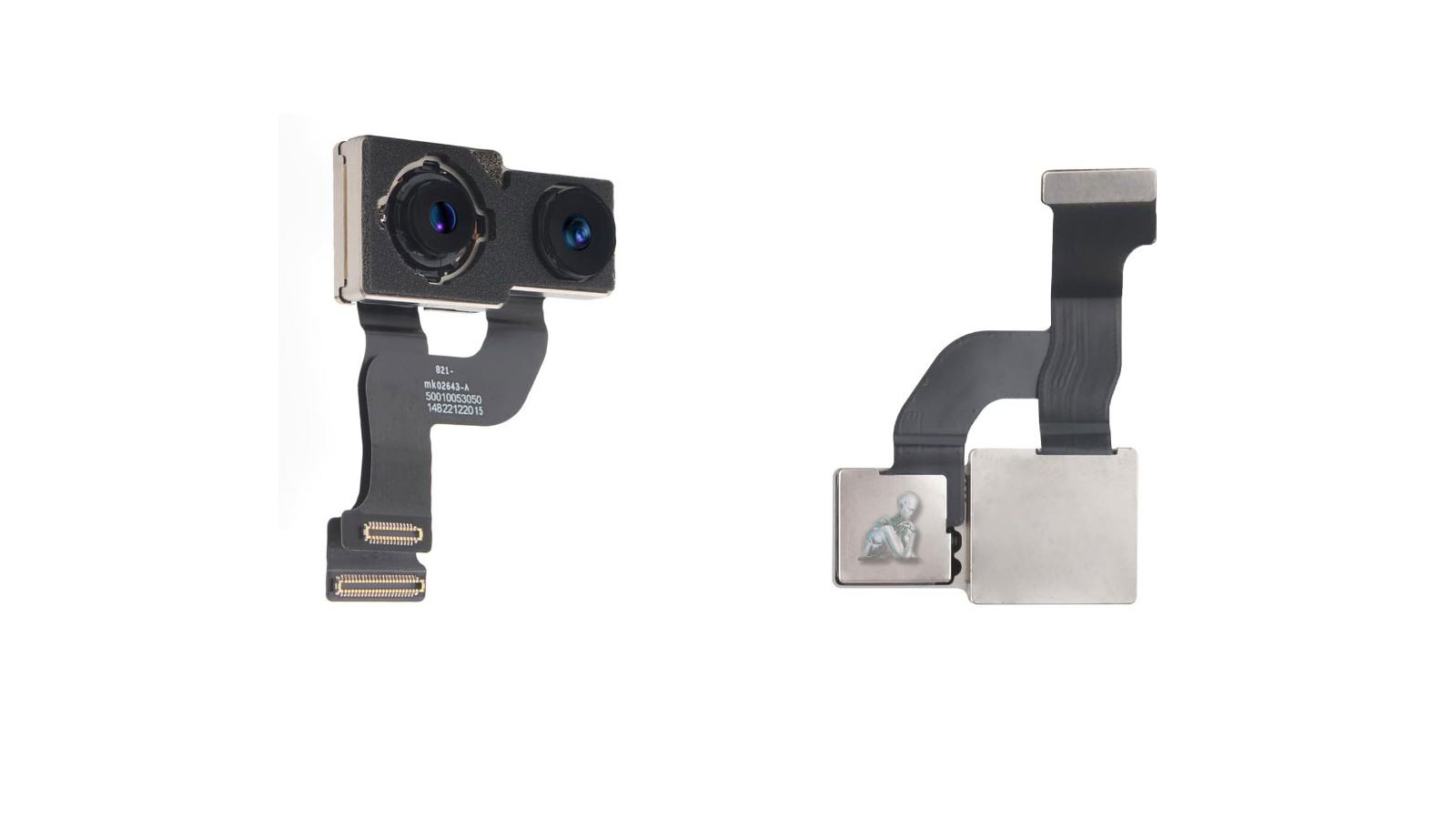
iPhone Camera and Camera Module Repair
The camera system in an iPhone is composed of multiple precision components that work together to produce clear and consistent images. Issues such as blurred photos, focusing delays, camera app instability, or physical lens damage can affect both image quality and overall usability. Identifying the source of these problems requires careful evaluation of the camera module, its connections, and the supporting system processes that control image capture.
Camera repair and replacement involve addressing faults within the module or its associated components while maintaining proper alignment and functionality. This may include resolving issues related to lens clarity, sensor response, or internal stabilization mechanisms. When handled with precision, the process restores reliable camera performance, allowing the device to capture images and video with the consistency expected from its original design.
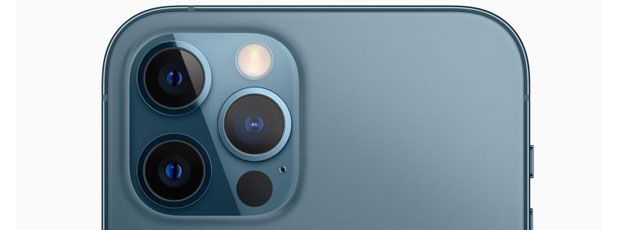
Common iPhone Camera Issues
Camera service may be required when an iPhone shows one or more of the following symptoms:
- Blurry or unfocused images
- Camera app failing to open or crashing
- Black screen when switching to camera
- Physical cracks or damage to the camera lens
- Autofocus or stabilization not functioning
- Distorted images, spots, or discoloration
- Front or rear camera not detected by the system
These issues may originate from the camera module itself, internal connectors, or impact-related damage.
Camera Calibration and Alignment Accuracy
Precise alignment of the camera module is essential for maintaining image clarity, focus consistency, and overall performance. Even minor deviations in positioning can affect how the lens interacts with the sensor, leading to distortion, focus inconsistencies, or reduced image quality. Ensuring that the module is correctly seated and aligned with the device’s internal structure is a critical part of restoring proper functionality.
Calibration also involves confirming that the camera responds accurately to system controls, including autofocus behavior, exposure balance, and stabilization. By verifying these elements after repair or replacement, the camera system can operate as intended, delivering consistent results across different shooting conditions. Attention to alignment and calibration helps preserve the quality expected from the device.
Supported iPhone Models
Camera repair is available for supported iPhone models, including:
- iPhone 15, 15 Pro, 15 Pro Max
- iPhone 14, 14 Pro, 14 Pro Max
- iPhone 13, 13 Pro, 13 Pro Max
- iPhone 12, 12 Pro, 12 Pro Max
- iPhone 11, XS, XR, X, and earlier supported models
Long Term Camera Reliability and Usage Considerations
After repair or replacement, consistent handling and general care contribute to maintaining the integrity of the camera system. Ensuring that the lens area remains clean and protected supports ongoing performance and reduces the likelihood of future issues. This final consideration helps sustain reliable camera functionality throughout the device’s continued use.
Camera Repair and Replacement Process
Camera service begins with inspection and testing to determine whether the issue involves:
- The camera module
- The lens assembly
- Flex cables or connectors
- Software communication errors
When replacement is required, the affected camera module is removed and replaced with a model-matched component. Alignment, focus, and stabilization are verified after installation to ensure proper operation.
Supported iPhone Camera Types
Camera repair applies to:
- Rear (main and ultra-wide) cameras
- Telephoto camera modules (model-dependent)
- Front-facing (TrueDepth) cameras
Model-specific differences in camera architecture are taken into account during service.
Impact of External Damage on Camera Performance
External damage to an iPhone can extend beyond visible cracks or cosmetic wear, often affecting the internal camera system. Impacts may shift the camera module, damage internal connectors, or introduce debris that interferes with lens clarity. These factors can lead to symptoms such as blurry images, difficulty focusing, or irregular camera operation.
Evaluating the extent of external influence on the camera system helps determine whether the issue is isolated to the lens, the module, or surrounding components. Addressing both visible and underlying damage ensures that the repair process resolves the full scope of the problem rather than only its surface effects. This approach supports more reliable and lasting camera performance.
Post-Repair Verification
After camera service, devices are checked for:
- Image clarity and focus accuracy
- Autofocus and stabilization behavior
- Camera switching between lenses
- FaceTime and third-party camera access
User data is not accessed, modified, or removed during camera repair.