
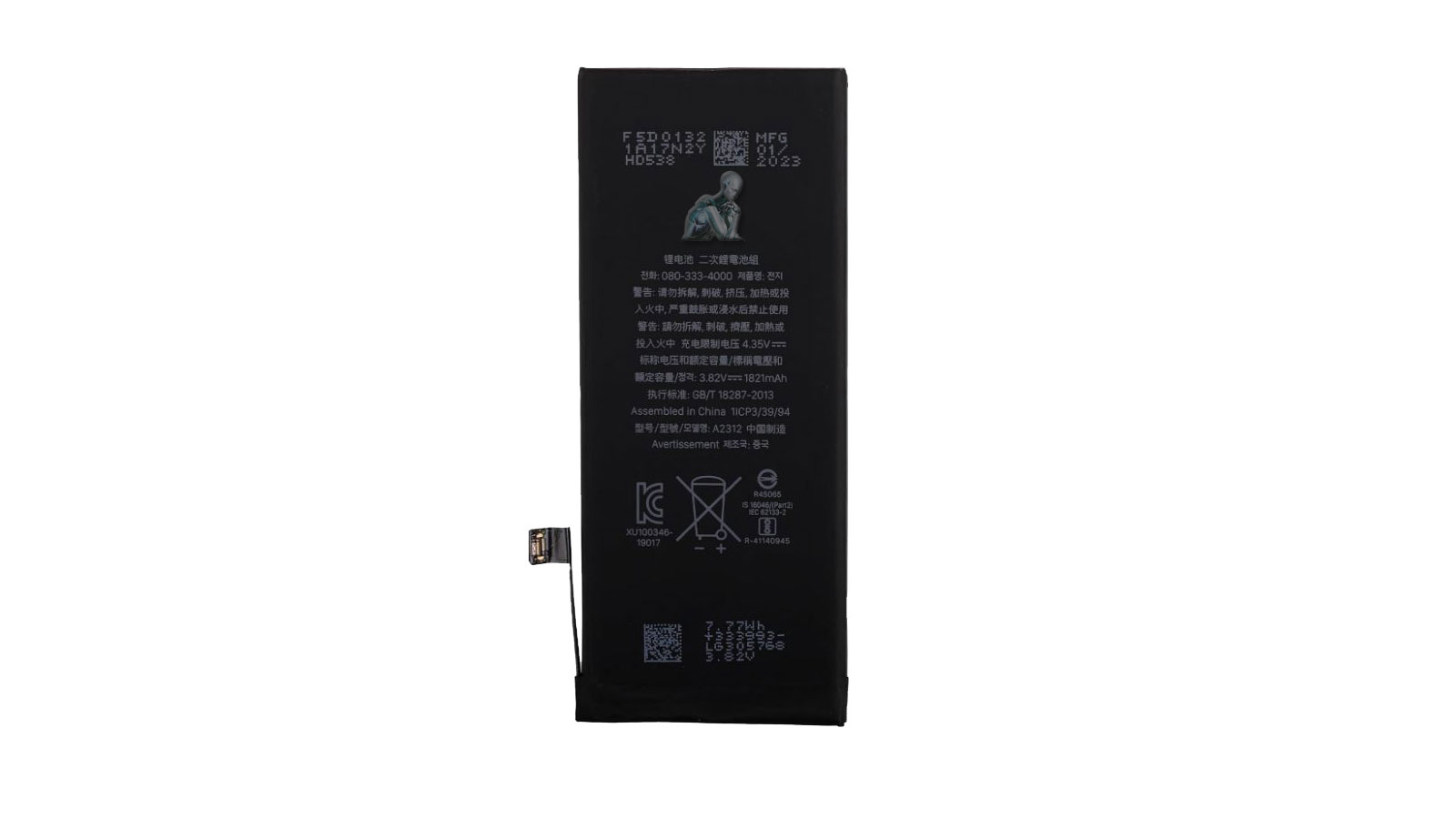
iPhone Battery Replacement and Power Restoration
Battery performance is fundamental to how an iPhone operates throughout the day. As batteries age, their ability to hold charge and deliver consistent power declines, often resulting in shorter usage time, unexpected shutdowns, or inconsistent charging behavior. Addressing these issues requires a focused evaluation of battery condition and power management to determine whether replacement is necessary to restore stable operation.
Battery replacement involves removing the degraded cell and installing a new unit that aligns with the device’s specifications. Careful handling during this process ensures that internal connections, power pathways, and surrounding components remain intact. When completed correctly, the result is improved battery reliability, more predictable performance, and a device that can sustain normal usage without interruptions caused by power instability.

Common Symptoms of Battery Degradation
Battery service may be necessary when an iPhone exhibits:
- Rapid battery drain during normal use
- Sudden shutdowns at higher charge percentages
- Device operating only while connected to power
- Slow system performance related to power throttling
- Overheating during charging or light activity
- Battery health warnings within iOS
These symptoms are typically caused by reduced capacity, internal resistance increase, or cell imbalance.
Battery Health Monitoring and Cycle Considerations
iPhone batteries are designed to operate within defined charge cycles, gradually losing capacity as they age. Monitoring battery health provides insight into how effectively the battery can retain charge and deliver power under normal conditions. As cycle count increases, the ability to sustain peak performance may decrease, leading to reduced runtime and potential power management limitations imposed by the system.
Evaluating these factors helps determine when replacement becomes necessary rather than optional. By understanding battery wear patterns and overall health indicators, it becomes possible to address declining performance before it begins to affect daily usability. This approach supports a more predictable device experience and helps maintain consistent operation over time.
Post-Replacement Verification
After battery service, devices are checked for:
- Normal charging behavior
- Stable power delivery under load
- Accurate battery percentage reporting
- Proper thermal performance
User data, applications, and system settings remain unaffected during battery replacement.
Battery Evaluation and Replacement Process
Battery replacement begins with verification of battery condition through system diagnostics and electrical testing. This ensures power-related issues are not originating from charging circuits or logic board components.
When replacement is required, the degraded battery is removed and replaced with a compatible unit designed to meet the device’s electrical and thermal specifications. Proper calibration ensures accurate charge reporting and stable operation after installation.
Charging Behavior and Power Management Stability
Consistent charging behavior is essential for maintaining reliable iPhone performance. Irregular charging patterns, such as slow charging, failure to reach full capacity, or intermittent connection, can indicate underlying battery or power management concerns. Assessing how the device responds during charging provides valuable information about the condition of the battery and related components.
Stabilizing power management involves ensuring that the battery interacts correctly with the device’s internal systems, including charge regulation and energy distribution. Once these elements function as intended, the device can maintain steady performance without unexpected interruptions. Proper alignment between the battery and power management system supports both efficient charging and dependable daily use.
Supported iPhone Models
Battery replacement applies to supported iPhone models, including:
- iPhone 15, 15 Pro, 15 Pro Max
- iPhone 14, 14 Pro, 14 Pro Max
- iPhone 13, 13 Pro, 13 Pro Max
- iPhone 12, 12 Pro, 12 Pro Max
- iPhone 11, XS, XR, X, and earlier supported models
Battery design and capacity vary by generation and model.
Once battery replacement is completed, the iPhone is expected to return to stable and predictable power behavior. A properly functioning battery supports consistent performance across applications, reliable standby time, and smooth operation without unexpected interruptions. Ensuring that the device maintains steady power delivery is essential for everyday usability and long term reliability.
With a restored power system, the device can handle routine tasks more efficiently while maintaining balanced energy consumption. Normal charging habits and general usage awareness help preserve battery condition over time. This final stage reflects a return to dependable operation, allowing the iPhone to function as intended under regular daily use.