
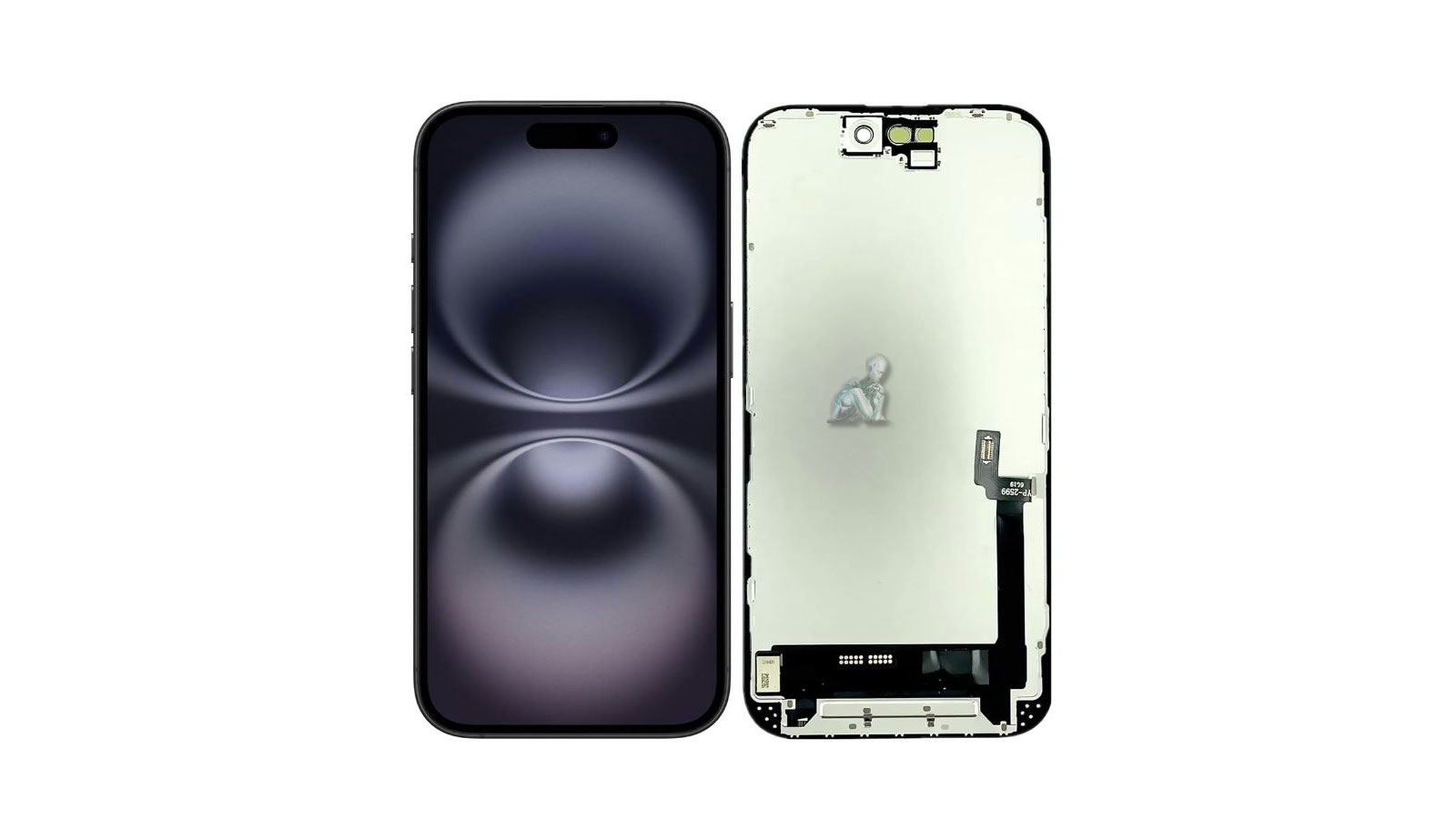
iPhone LCD Assembly Replacement and Display Restoration
The display assembly of an iPhone combines the LCD or OLED panel, touch digitizer, and supporting components into a single integrated unit that defines how the device is seen and operated. Damage to this assembly can affect image clarity, touch responsiveness, and overall usability, often presenting as cracks, discoloration, unresponsive areas, or display failure. Accurate evaluation is necessary to determine whether the issue is isolated to the screen assembly or related to underlying components that influence display performance.
LCD assembly replacement focuses on restoring both visual output and touch functionality through precise removal and installation of the display unit. Attention is given to connector integrity, alignment, and proper integration with the device’s internal systems. When performed correctly, the result is a screen that delivers consistent brightness, accurate color reproduction, and reliable touch response, allowing the iPhone to function as intended during everyday use.
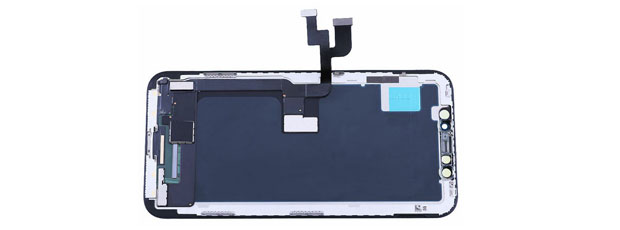
Common LCD Assembly Failure Symptoms
LCD assembly service is typically required when an iPhone exhibits:
- Cracked or shattered display glass with touch failure
- Unresponsive or intermittent touch input
- Dead pixels, dark spots, or color distortion
- Vertical or horizontal lines across the screen
- Flickering, dim, or uneven backlighting
- Ghost touches or inaccurate touch tracking
- Black screen while the device remains powered on
These issues often result from impact damage, pressure stress, liquid exposure, or internal connector failure.
Display Component Integration and Signal Continuity
The iPhone display assembly relies on precise communication between the screen, touch layer, and the device’s internal circuitry. Signal continuity across these connections is essential for maintaining accurate touch response, image rendering, and overall display stability. Any disruption in these pathways can lead to issues such as intermittent touch failure, flickering, or incomplete image output.
Evaluating how the display integrates with the logic board helps ensure that the replacement assembly functions correctly within the system. This includes verifying connector alignment, ensuring proper seating of flex cables, and confirming that all display signals are transmitted without interference. Maintaining consistent signal integrity is key to restoring dependable screen performance.
Post-Replacement Verification
After LCD assembly replacement, devices are checked for:
- Accurate color reproduction and brightness
- Consistent touch response across the screen
- Proper sensor and display alignment
- Stable operation during normal use
User data, system settings, and stored content remain unaffected during LCD assembly replacement.
LCD Assembly Evaluation and Replacement Process
Display service begins with a functional evaluation to confirm whether the issue originates from the LCD assembly rather than the logic board, connectors, or software.
When replacement is required, the damaged LCD assembly is removed and replaced with a model-compatible unit designed to match the device’s resolution, brightness, and touch response specifications. Proper alignment and calibration are performed to ensure consistent display performance after installation.
Long Term Display Performance and Usage Considerations
Once a new display assembly is installed, maintaining its performance over time depends on both environmental factors and daily usage patterns. Exposure to impact, pressure, or contaminants can affect the durability and clarity of the screen. Understanding these factors helps preserve the condition of the display and supports consistent visual performance.
With proper handling and routine care, the display can continue to operate reliably under normal conditions. Ensuring that the screen remains clean, protected, and free from excessive stress contributes to long term usability. This consideration supports not only immediate restoration but also sustained performance throughout the device’s continued use.
Supported iPhone Models
LCD assembly replacement applies to supported iPhone models, including:
- iPhone 15, 15 Pro, 15 Pro Max
- iPhone 14, 14 Pro, 14 Pro Max
- iPhone 13, 13 Pro, 13 Pro Max
- iPhone 12, 12 Pro, 12 Pro Max
- iPhone 11, XS, XR, X, and earlier supported models
Display construction and resolution vary by model generation.
After LCD assembly replacement is completed, the iPhone is expected to return to a consistent and fully functional display state. Clear image output, accurate touch response, and stable screen behavior are essential for normal operation across all applications. Ensuring that these elements perform reliably supports both usability and overall device functionality.
With the display properly restored, the device can be used without the limitations caused by screen damage or responsiveness issues. Consistent performance during daily tasks reflects a successful repair outcome, allowing the iPhone to maintain its intended level of clarity and interaction over time.