
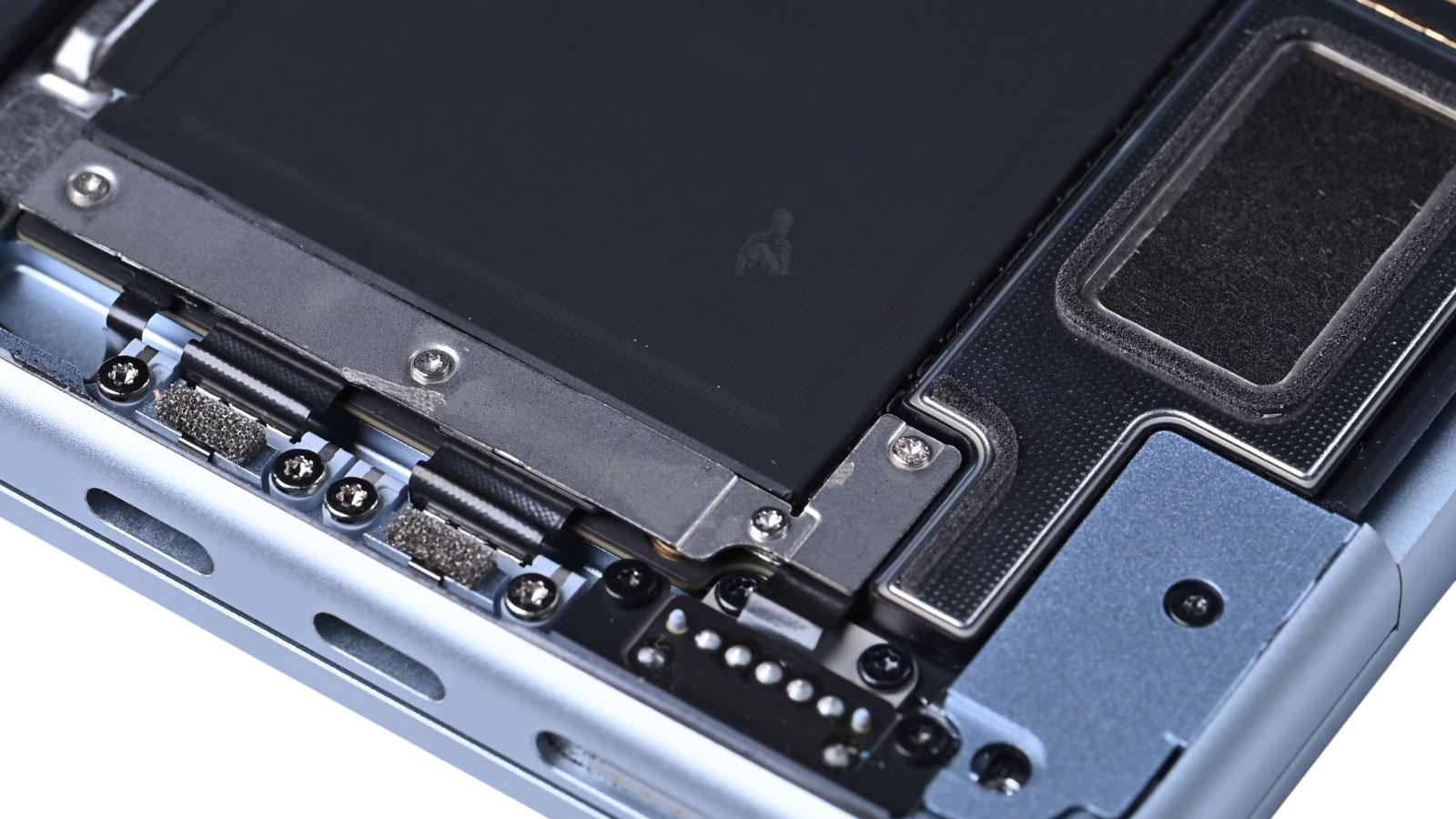
Accurate Display Replacement with Careful, Model-Specific Installation
Accurate display replacement in a MacBook Air requires strict adherence to model-specific specifications, where even minor variations in panel design, connector type, and mounting structure can affect overall system compatibility. Each display assembly is engineered to operate within defined electrical and mechanical tolerances, making precise identification essential before installation. This process involves verifying panel characteristics, connector alignment, and integration points to ensure that the replacement display interfaces correctly with the logic board and surrounding components.
Careful installation extends beyond physical alignment, focusing on maintaining signal integrity and structural stability throughout the assembly. The display cable routing, hinge positioning, and connector seating must be executed with precision to prevent stress on delicate components and avoid long-term reliability issues. By following a methodical, model-specific approach, the replacement process restores accurate visual output, consistent backlight performance, and dependable operation aligned with the system’s original design.

Screen Issues Commonly Seen on MacBook Air
Display problems can present themselves in different ways, including:
- Cracked or shattered glass
- Lines, flickering, or uneven brightness
- Discoloration or washed-out colors
- Black screen while the keyboard and trackpad remain responsive
- Backlight failure or shadowed areas
- Image ghosting or persistent artifacts
Each symptom is examined individually to avoid unnecessary replacements and to ensure the correct fix is applied.
MacBook Air Models Covered
Screen repairs are available for:
- Apple Silicon MacBook Air models
- Retina MacBook Air systems
- Intel-based MacBook Air generations
Each repair is matched to the correct screen specifications to avoid compatibility or quality issues.
Display Signal Integrity and Visual Output Stability
The performance of a MacBook Air display depends on stable signal transmission between the logic board and the LCD assembly. Any disruption within this pathway can result in flickering, image distortion, color inconsistency, or intermittent loss of display. These issues are not always caused by the panel itself, but may originate from signal degradation, connector irregularities, or inconsistencies in the display interface circuitry. Accurate evaluation requires verifying that data is transmitted without interruption and that the panel responds consistently under varying operating conditions.
Ensuring signal integrity involves examining both the physical connection points and the behavior of the display system during operation. By confirming that the communication channel between components remains stable, the display can maintain uniform image quality and reliable performance. This level of analysis is essential for distinguishing between panel defects and underlying system-related causes that affect visual output.
When a Screen Issue Should Be Addressed
Display damage rarely improves on its own. Small cracks can spread, backlight issues can worsen, and unstable visuals can place strain on internal components. Addressing the problem early helps avoid secondary damage and preserves usability.
If your MacBook Air screen is no longer clear, stable, or usable, a proper repair can return the device to dependable daily operation.
How Screen Repairs Are Handled
Display and Signal Testing
The display, internal connectors, and video output paths are tested to confirm whether the issue is isolated to the screen or connected to another component.
Screen Assembly Replacement
When replacement is required, the correct panel is installed based on your exact MacBook Air model, resolution, and generation.
Controlled Installation
The screen is installed in a clean environment to reduce dust intrusion and ensure proper alignment, fit, and sealing.
Visual Accuracy Checks
Brightness consistency, resolution, color balance, and overall stability are verified before the device is returned.
Backlight System Performance and Brightness Control
The backlight system is responsible for illumination across the display, directly influencing visibility, brightness uniformity, and overall viewing experience. Failures within this system can present as dim screens, uneven lighting, or complete loss of illumination while the image remains faintly visible. These conditions often involve issues within the backlight circuitry, power regulation components, or the display assembly itself.
Evaluating backlight performance requires assessing how power is delivered and regulated across the display system, as well as how brightness levels respond to system controls. Restoring proper functionality ensures that illumination is evenly distributed and that brightness adjustments operate smoothly without fluctuation. This contributes to consistent display clarity and reliable performance across different usage environments.
Structural Alignment and Hinge Assembly Considerations
The display assembly of a MacBook Air is closely integrated with the hinge mechanism and upper enclosure, making structural alignment a critical factor in both installation and long-term durability. Misalignment or uneven tension within the hinge system can place stress on the display panel, flex cables, and mounting points, potentially leading to premature wear or functional issues. Proper alignment ensures that the display opens and closes smoothly while maintaining consistent positioning.
During the replacement process, attention is given to the balance and stability of the hinge assembly, as well as the precise seating of the display within the enclosure. This ensures that mechanical forces are evenly distributed and that no unnecessary strain is introduced to sensitive components. Maintaining structural integrity supports not only the physical durability of the system but also the reliability of the display over time.
Support is available for MacBook Air owners throughout Miami-Dade County. Logistics are handled in a way that fits around work schedules and daily routines rather than disrupting them.