
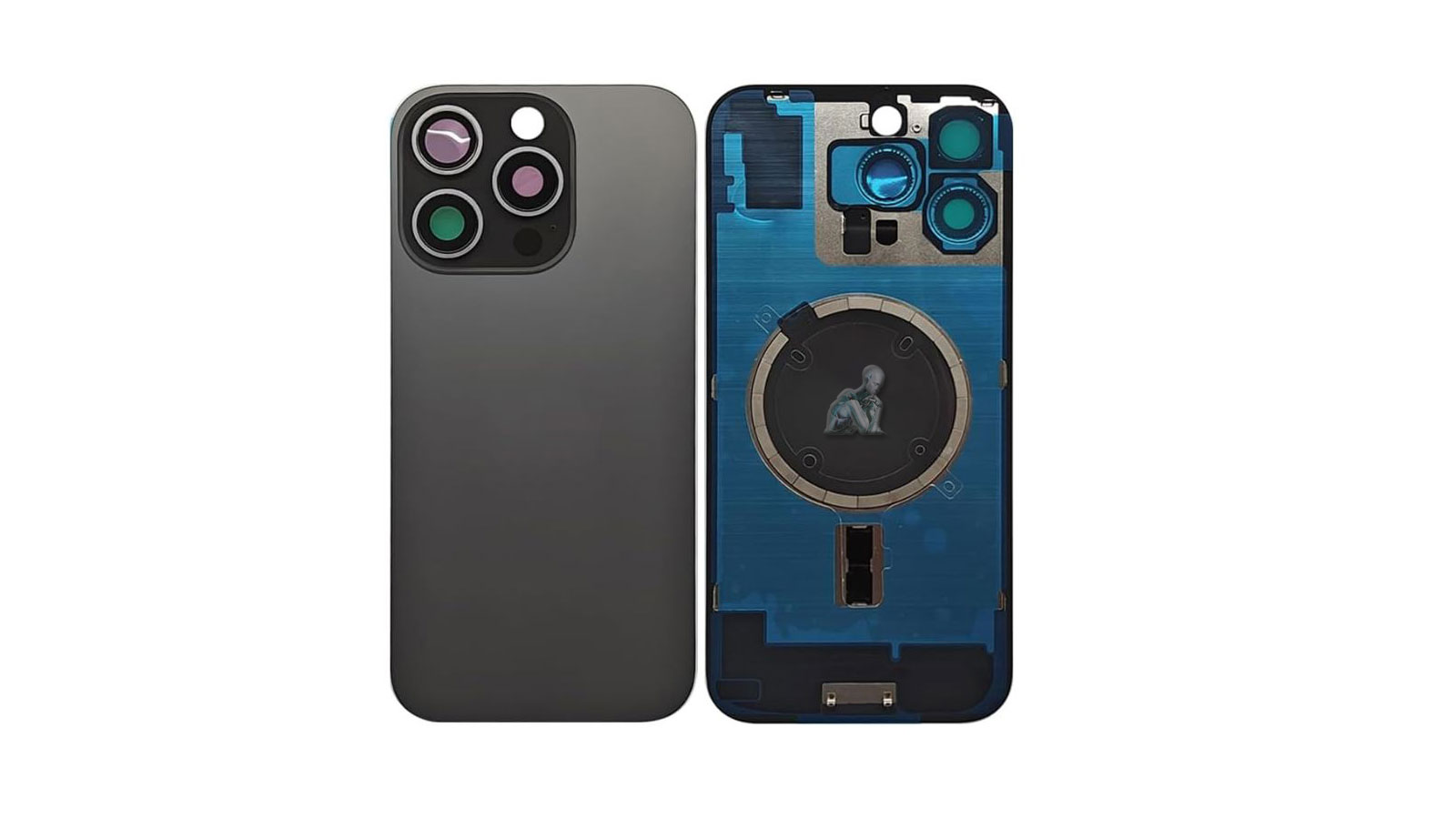
iPhone Back Housing and Rear Glass Replacement
Damage to the rear glass or housing of an iPhone can affect both structural integrity and overall usability. Cracks, separation, or deformation of the rear assembly may expose internal components, reduce device protection, and interfere with features such as wireless charging or camera stability. Addressing these conditions requires a controlled approach that evaluates the extent of the damage and determines whether replacement of the rear glass, housing, or full assembly is necessary.
Rear housing and back glass replacement involves precise removal of the damaged structure and careful installation of a new assembly that aligns with the original design. Attention is given to maintaining proper fit, ensuring internal components remain protected, and restoring the external condition of the device. When performed with accuracy, the process returns the iPhone to a stable and consistent state, supporting both functionality and long term durability.
When Back Housing Replacement Is Required
Replacement may be recommended when an iPhone shows one or more of the following conditions:
- Cracked or shattered rear glass
- Deep scratches affecting structural integrity
- Separation between the frame and back panel
- Bent or deformed housing after impact
- Exposed internal components
- Wireless charging inconsistency caused by rear glass damage
Rear housing damage should not be ignored, as it can affect durability, sealing, and long-term reliability.
Structural Integrity and Internal Protection
The rear housing of an iPhone plays a critical role in maintaining the structural stability of the device while protecting sensitive internal components. Damage to this area can compromise the alignment of internal modules, reduce resistance to external pressure, and increase the likelihood of further internal issues over time. Evaluating structural integrity ensures that the device remains properly supported after repair.
Restoring the housing involves more than replacing a cosmetic surface. It requires ensuring that the frame, mounting points, and internal supports are correctly aligned and secured. When these elements are properly addressed, the device regains its original rigidity and continues to provide reliable protection for internal components during everyday use.
Post-Replacement Verification
After housing replacement, devices are checked for:
- Structural stability and alignment
- Button operation and tactile response
- Camera positioning and focus
- Wireless charging functionality
- Network signal consistency
No user data is accessed or modified during this process.
iPhone Back Housing Replacement Process
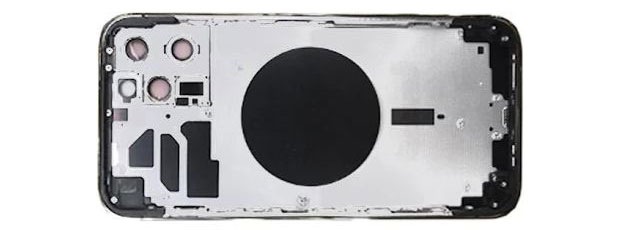
Back housing service involves a controlled disassembly of the device to transfer internal components into a replacement housing assembly. Care is taken to preserve:
- Logic board and connectors
- Cameras and sensors
- Wireless charging coils and antennas
- Buttons, flex cables, and seals
The replacement housing is matched to the specific iPhone model and configuration to ensure proper fit and alignment.
Material Compatibility and Finish Consistency
iPhone rear housings and glass panels are manufactured with specific materials and finishes that contribute to both durability and appearance. Differences in material quality or surface treatment can affect heat dissipation, wireless functionality, and long term wear. Ensuring compatibility with the original design is essential to maintain consistent device performance.
Attention to finish consistency also plays a role in achieving a uniform appearance across the device. Color matching, surface texture, and precise fitting contribute to a seamless result that aligns with the original construction. Proper material selection and installation help ensure that the replacement integrates naturally with the device while preserving its intended characteristics.
Supported iPhone Models
Back housing replacement applies to supported iPhone models, including:
- iPhone 15, 15 Pro, 15 Pro Max
- iPhone 14, 14 Pro, 14 Pro Max
- iPhone 13, 13 Pro, 13 Pro Max
- iPhone 12, 12 Pro, 12 Pro Max
- iPhone 11, XS, XR, X, and earlier supported models
Model-specific construction differences are considered during service.
After rear housing or back glass replacement is completed, the iPhone is expected to return to a stable physical condition that supports normal daily use. Proper alignment, secure assembly, and restored structural integrity contribute to a device that feels consistent and reliable in hand. Ensuring that all external and internal elements are correctly positioned helps maintain both functionality and durability over time.
Maintaining the device after replacement involves normal usage awareness, including avoiding excessive impact and ensuring that the housing remains intact. With the structure properly restored, the iPhone can continue to operate as intended, providing a balanced combination of protection, performance, and usability for extended use.