
Professional Recovery for Files That Matter
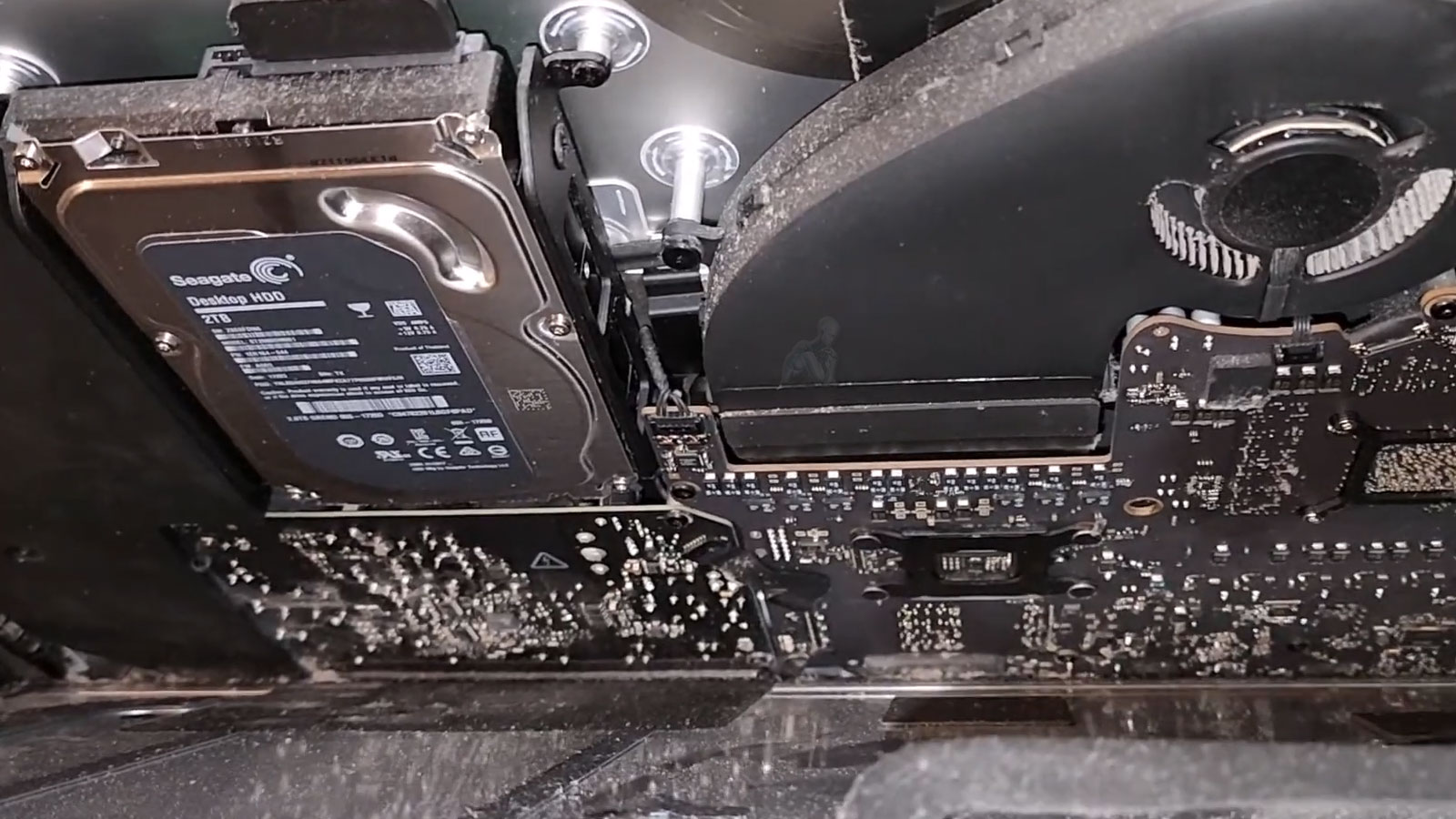
When access to important files is interrupted, the focus shifts from general troubleshooting to controlled data recovery. iMac systems integrate storage within a compact enclosure, which requires a careful approach when attempting to retrieve information from a non-responsive or degraded drive. Whether the issue stems from mechanical failure, file system corruption, or unexpected system behavior, recovery efforts must prioritize data integrity at every stage of the process.
This type of work is not centered on restoring the device itself, but on isolating and preserving the information stored within it. By working directly with the internal drive and its structure, recovery procedures aim to extract usable data while minimizing further risk to the storage medium. For situations where specific files carry ongoing importance, a structured and methodical recovery process provides a reliable path toward retrieval.

Situations We Commonly Recover From
- iMacs that no longer boot or freeze during startup
- Drives that show errors, disappear, or fail to mount
- Files deleted by mistake or lost after formatting
- macOS update failures or incomplete installations
- Fusion Drive issues and split volume corruption
- Water exposure or electrical surge damage
- Time Machine backup problems
Personal documents, creative projects, work data, and archived files are all handled with the same level of care.
Supported iMac Systems and Storage Types
- 21.5 inch, 24 inch, and 27 inch iMac models
- Intel based and Apple Silicon systems
- Standard HDD, SSD, and Fusion Drive configurations
- APFS and HFS+ file systems
- Encrypted volumes and Time Machine backups
- iMac Pro systems
Recovery options vary by model and storage design, especially on newer Apple Silicon systems, and are discussed clearly before proceeding.
Recovery Expectations and Outcome Transparency
Data recovery outcomes can vary depending on the condition of the storage device and the nature of the failure. Some cases allow for near-complete file restoration, while others may result in partial recovery due to overwritten data, physical damage, or structural corruption within the file system. Establishing realistic expectations early in the process helps ensure that the recovery approach aligns with the condition of the device.
Before any recovery work begins, the situation is evaluated and explained in clear terms, including the likelihood of success and any limitations that may affect results. This level of transparency allows informed decisions to be made without uncertainty. The objective is to pursue recovery in a controlled manner while maintaining clarity about what can and cannot be achieved.
Service Availability
Support is available throughout Miami Dade County. Pickup and return arrangements can be coordinated when needed, and all recovery work is performed in a controlled local environment.
How the Recovery Process Works
Initial Evaluation
Your iMac or storage device is examined to identify the type of failure and determine the safest recovery method. No recovery attempt is made until the condition is fully understood.
Logical Recovery
For deleted files, file system damage, or software related issues, advanced recovery tools are used to reconstruct data without harming the drive.
Physical Recovery
When hardware damage is present, controlled techniques are used to access the drive safely and extract data while minimizing additional risk.
File Organization
Recovered files are reviewed and organized so they are usable and easy to navigate rather than returned as raw fragments.
Data Return Options
Recovered data can be delivered on an external drive, new storage device, or prepared for cloud transfer depending on your preference.
Privacy and Data Handling
Your data remains confidential at all times.
- All recovery work is performed in house
- No third party access to files
- No data retained without approval
- Confidentiality agreements available if required
Your files are treated as private property, not test material.
Post Recovery Data Integrity and Verification
Once data has been successfully retrieved, verification is an essential step to confirm that files are accessible and structurally intact. This process involves reviewing file types, checking directory organization, and ensuring that commonly used formats open and function as expected. The goal is not only to recover data, but to return it in a usable and reliable state.
Attention is given to preserving original file structure whenever possible, allowing documents, media, and project files to remain organized in a familiar format. When partial recovery occurs, any limitations are clearly identified so that recovered data can be reviewed effectively. This final stage ensures that the recovered information is practical for immediate use and long term storage.
Continuing to power on a failing iMac or reinstalling macOS repeatedly can reduce recovery chances. Early evaluation often makes the difference between partial and complete recovery.