
Resolving Charging Port and Power Connection Failures
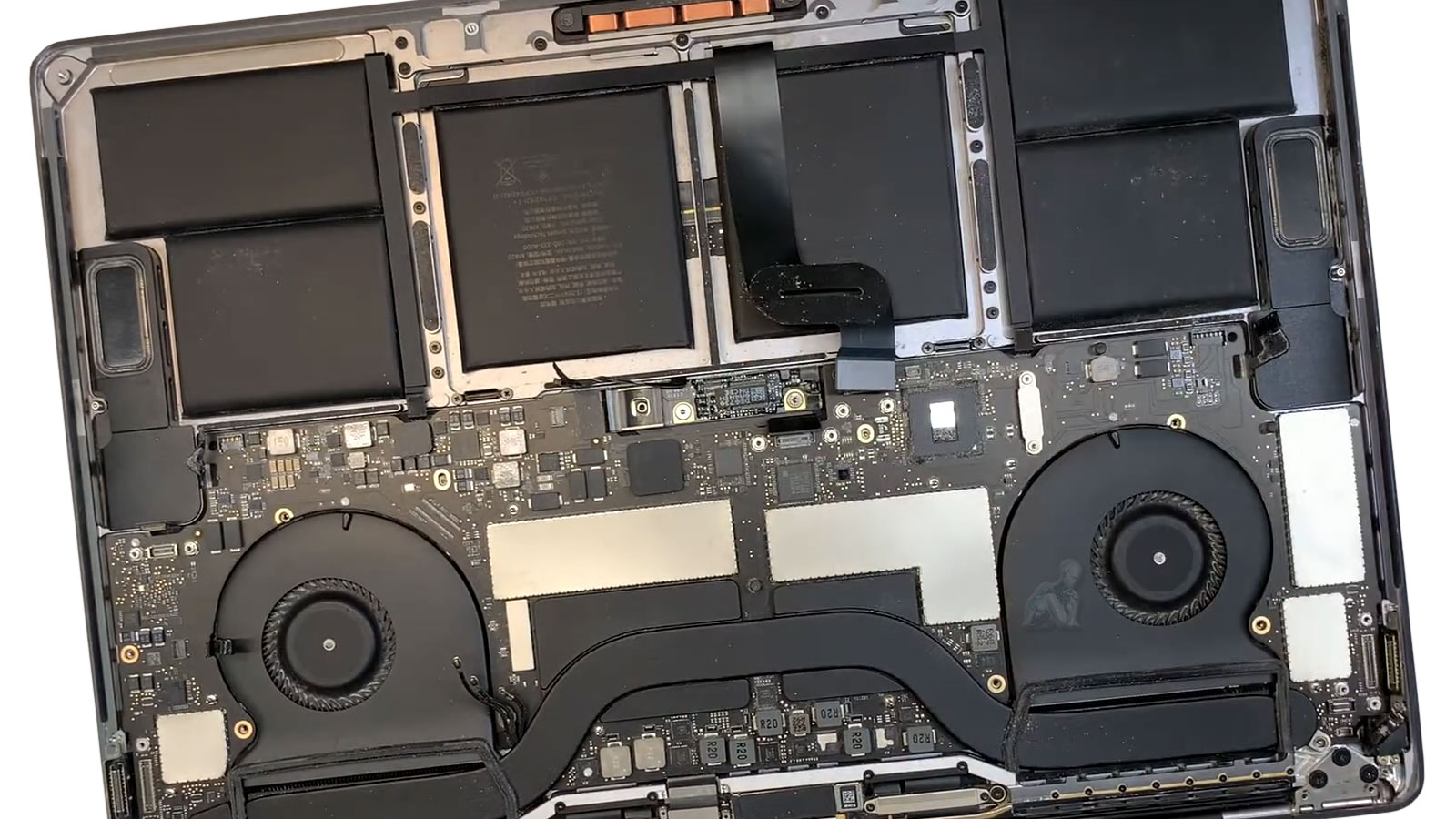
Charging instability in a MacBook Air is often traced to the integrity of the charging port and its connection to the internal power circuitry. Wear from repeated cable insertion, debris accumulation, or subtle mechanical stress can compromise the port’s alignment and electrical contact, resulting in intermittent charging, failure to detect the adapter, or inconsistent power delivery. A proper resolution begins with a controlled internal inspection, where the port assembly, connector seating, and surrounding board-level pathways are examined for signs of damage, oxidation, or loosened interfaces. This level of evaluation ensures that the root cause is identified rather than masked.
Restoring a dependable power connection requires precise handling and attention to component integrity. The charging port must maintain stable contact under normal use conditions, with consistent voltage transfer and accurate system recognition. During repair, emphasis is placed on connector alignment, secure mounting, and verification of the electrical pathway between the port and the logic board. Once corrected, the system regains predictable charging behavior, eliminating interruptions and supporting reliable daily operation. The outcome is a MacBook Air that responds consistently to power input, aligning with the expected performance of its design.

DC Jack Repair Process
Diagnostic Evaluation
The system is tested with verified chargers and inspected internally to determine whether the issue originates from the DC jack, internal cable, power controller, or logic board.
Charging Port Replacement
If the port is physically worn, damaged, or unstable, it is replaced with a model matched MagSafe or USB C charging port designed for the specific MacBook Air generation.
Board Level Power Repair
In cases involving shorted components or charging controller faults, component level solder repairs are performed using precision tools and microscopic inspection.
Power Stability Testing
After repair, the system is tested under sustained charging conditions to confirm consistent voltage delivery and safe operation.
Internal Power Path Integrity and Component-Level Evaluation
Charging port issues in a MacBook Air are not always isolated to the physical connector. The DC-in pathway extends beyond the port itself, involving protection circuits, filtering components, and power management interfaces that regulate how incoming voltage is distributed across the system. When a failure occurs, it is critical to evaluate whether the issue originates strictly at the port or if it extends into the surrounding circuitry. Subtle faults such as degraded solder joints, weakened contact pads, or compromised input lines can produce symptoms identical to a damaged charging port while remaining visually undetected without proper inspection.
A complete evaluation of the internal power path ensures that the charging port repair addresses the full scope of the problem. This includes verifying continuity from the port to the logic board, assessing connector stability, and confirming that voltage is delivered consistently under load conditions. By approaching the repair at a component level rather than limiting it to surface replacement, the system is restored with a higher degree of reliability and reduced likelihood of recurring charging inconsistencies.
Why Proper Diagnosis Matters
Charging issues are often misattributed to batteries or adapters. Accurate diagnosis prevents unnecessary replacements and ensures the real cause is corrected.
- Prevent repeated charging failures
- Protect logic board and battery health
- Restore long term charging reliability
Common Signs of DC Jack Failure
Charging related issues may include:
- MacBook Air does not charge at all
- Power connects only when the cable is held or positioned carefully
- Charging indicator does not appear on MagSafe or USB C
- Known good charger works on other devices but not this system
- Loose, unstable, or overheated charging port
- Battery continues to drain while plugged in
These symptoms usually indicate a failing DC jack or related power circuitry and should be addressed before complete battery depletion occurs.
Supported MacBook Air Models
Charging port repairs are available for:
- MacBook Air with M1 and M2 processors using USB C
- MacBook Air Retina models
- Intel based MacBook Air systems using MagSafe
- Both MagSafe 1 and MagSafe 2 generations
Each repair is matched to the exact model and year to ensure compatibility and reliability.
Post-Repair Charging Stability and Performance Verification
After the charging port has been repaired or replaced, confirming stable performance is essential. A successful repair is defined not only by restored connectivity but by consistent behavior across different usage scenarios. This includes verifying that the system recognizes the power adapter without delay, maintains a steady charge rate, and responds predictably during battery load transitions. Any fluctuation in charging status or irregular power response may indicate incomplete resolution or underlying issues that require further attention.
Structured post-repair validation ensures that the MacBook Air operates within expected electrical parameters. Charging cycles are observed for consistency, connector fit is evaluated under normal handling conditions, and the overall responsiveness of the power system is confirmed. This final stage reinforces long-term reliability, ensuring that the repaired charging port delivers stable performance and supports uninterrupted daily use without regression.
Pickup and Delivery Availability
Pickup and return delivery can be arranged within Miami-Dade County when needed.
If your MacBook Air is experiencing charging problems or unstable power connection, a professional evaluation can determine whether the DC jack or related circuitry requires repair. Early intervention helps avoid additional power related damage and restores dependable daily use.