
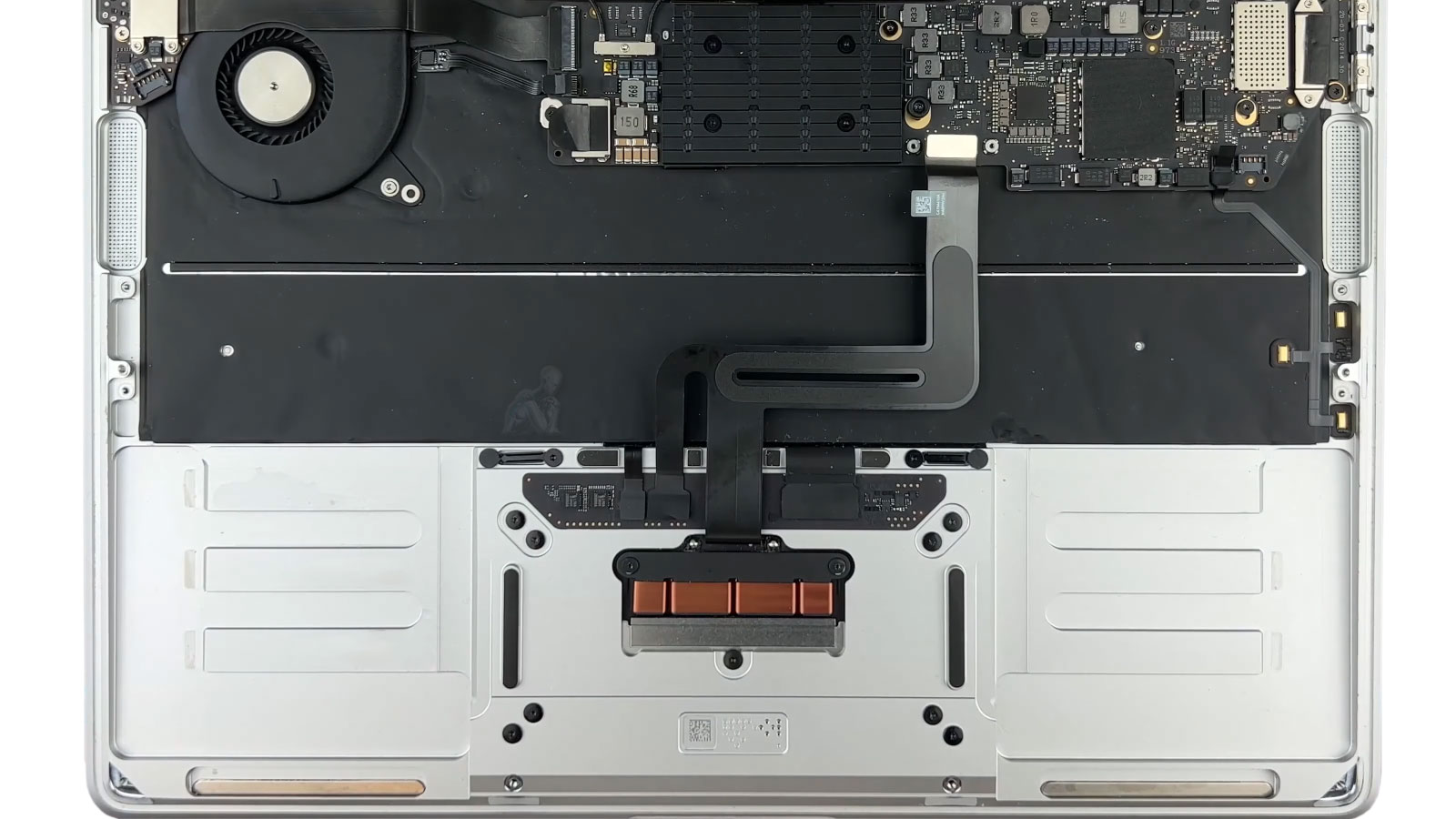
Reliable Power and Safe Battery Restoration
Restoring reliable power in a MacBook Pro requires a detailed evaluation of the battery system as a whole, including its interaction with internal power management circuitry and charging controls. Over time, battery degradation can lead to reduced capacity, unstable voltage delivery, and inconsistent charging behavior that directly impacts system performance. Addressing these conditions involves more than replacing the battery itself, it requires ensuring that the new unit integrates correctly with the device’s power architecture and operates within the expected electrical parameters.
Safety is a critical factor throughout the battery restoration process, particularly due to the adhesive-mounted design and the sensitivity of surrounding components. Proper handling, surface preparation, and controlled installation techniques are essential to prevent structural stress or electrical irregularities. By maintaining strict standards during replacement and verifying post-installation performance, the system can achieve stable power delivery, predictable charging response, and long-term operational reliability.
Common Signs of Battery Failure
MacBook Pro systems often require battery replacement when experiencing:
- Rapid battery drain or unexpected shutdowns
- macOS battery health warnings
- Swelling beneath the trackpad or palm rest
- Charging inconsistencies or refusal to charge
- Operation only while connected to power
- Excessive heat during light or idle use
These symptoms typically indicate internal battery degradation rather than software issues.
Why Timely Replacement Matters
Continuing to use a degraded or swollen battery can lead to secondary damage affecting the trackpad, enclosure, speakers, or logic board. Timely battery replacement restores predictable performance, improves safety, and helps preserve the long-term reliability of the system.
Battery Calibration and Power Management Synchronization
Following battery replacement, proper calibration is essential to ensure that the system accurately interprets charge levels and power availability. The MacBook Pro relies on coordinated communication between the battery, system management controller, and charging circuitry to regulate energy distribution and reporting. Any mismatch in this relationship can lead to inaccurate battery percentage readings, irregular charging cycles, or unexpected shutdown behavior.
Synchronizing the new battery with the system involves verifying charge thresholds, discharge patterns, and response under varying load conditions. This process ensures that the battery operates in alignment with the device’s power management logic, providing consistent performance and reliable reporting. Establishing this balance is critical for maintaining stable operation and extending the functional lifespan of the replacement battery.
Battery Replacement Scope
Battery replacement involves more than swapping a component. The process includes verifying that the issue is battery-related, installing a model-specific battery designed for the exact MacBook Pro generation, and ensuring proper seating, connection, and calibration. Post-replacement testing confirms stable charging behavior, normal thermal response, and correct system recognition.
Supported MacBook Pro Models
Battery replacement applies to all major MacBook Pro configurations, including:
- 13-inch, 14-inch, 15-inch, and 16-inch models
- Intel-based systems (2012–2020)
- Apple Silicon systems (M1, M2, and later)
- Retina, Touch Bar, and Magic Keyboard variants
Each generation uses a different battery design and installation method, which is accounted for during service.
Thermal Behavior and Structural Integration Considerations
The battery within a MacBook Pro is closely integrated into the internal structure, contributing not only to power delivery but also to thermal distribution across the chassis. Improper installation or uneven adhesion can affect how heat is dissipated, potentially influencing both battery performance and the stability of nearby components. Evaluating thermal behavior ensures that the battery operates within safe temperature ranges during normal and high-demand usage.
Structural integration plays a key role in maintaining system integrity. The battery must be securely positioned and evenly bonded to prevent movement, pressure points, or mechanical stress that could impact internal components over time. By ensuring correct placement and thermal consistency, the replacement process supports both the durability of the battery and the overall reliability of the system.