
Some Liquid-Damaged Devices Work Again until They Suddenly Don’t
Repairing a liquid-damaged electronic device often produces surprising results. In many cases, a computer, laptop, smartphone, or other electronic device may appear to function normally immediately after being cleaned or repaired, only to develop new problems days, weeks, or even months later. This behavior is not unusual and is one of the reasons liquid damage is considered among the most unpredictable types of electronic failures.
The initial recovery of a device should never be interpreted as confirmation that all damage has been eliminated. Even when a repair is successful, microscopic corrosion, contamination, and chemical residues may continue affecting electronic components long after the original spill has occurred. Understanding why this happens helps set realistic expectations and explains why liquid-damaged equipment often requires ongoing observation after the initial repair.
Unlike mechanical failures that usually occur at a specific moment, liquid damage often progresses over time. Water, coffee, soda, juice, and many other liquids leave behind conductive minerals, sugars, acids, or other contaminants that remain on electronic components even after the visible moisture has evaporated.
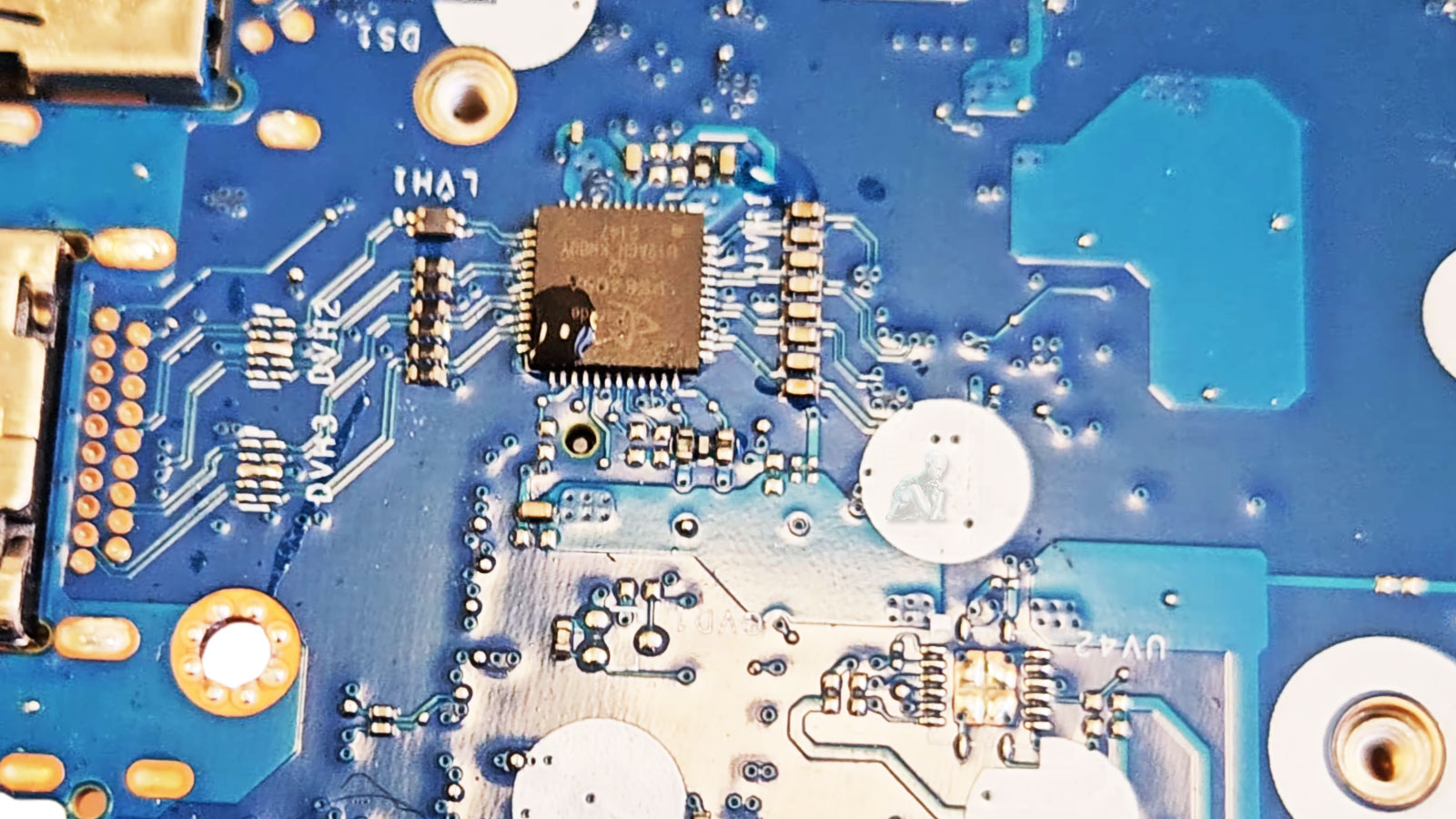
These residues gradually attack solder joints, integrated circuits, connectors, and tiny copper traces. Corrosion may continue expanding beneath components where it cannot be seen without specialized equipment. As electrical resistance changes, previously stable circuits may begin producing intermittent failures that were not present during the initial inspection.
Devices Sometimes Work Perfectly at First
One of the most confusing aspects of liquid damage is that many devices continue operating normally immediately after the incident. This occurs because corrosion usually develops gradually rather than instantly. At first, electrical connections may still be intact, allowing the device to boot and appear functional.
As oxidation progresses, however, resistance increases, connectors deteriorate, and microscopic conductive paths begin failing. The result is often a device that appears completely repaired before developing random shutdowns, charging problems, keyboard failures, display issues, or motherboard faults weeks later.
Common Delayed Symptoms
- Delayed Symptom
- Random shutdowns
- Battery charging issues
- Keyboard failures
- Touchpad problems
- USB failures
- Display flickering
- Wi-Fi instability
- No power
- Possible Cause
- Corrosion affecting power circuits
- Damaged charging components
- Corroded keyboard matrix
- Connector contamination
- Oxidized contacts
- Damaged display circuitry
- Corroded wireless module connections
- Progressive motherboard failure
Liquid Damage Remains Unpredictable
Liquid damage is rarely a single event. Instead, it often begins a chemical process that can continue affecting electronic components long after the original spill. A device that appears fully functional immediately after a repair may still contain hidden corrosion capable of causing future failures.
Prompt professional cleaning and evaluation offer the best opportunity to minimize long-term damage and improve the likelihood of a successful repair. Even then, understanding the unpredictable nature of liquid exposure helps establish realistic expectations and encourages continued monitoring of the device after service has been completed.