
iPhone Repair Services in Miami
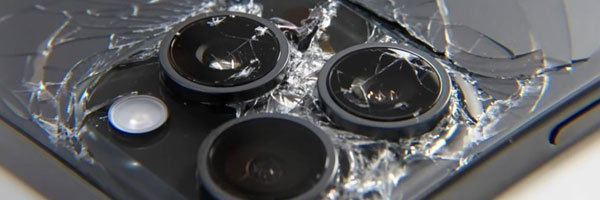
iPhone Diagnosis and Repair Services
iPhones integrate multiple tightly coupled components, including display systems, batteries, cameras, charging circuits, and logic boards. When one element fails, it can affect overall device performance, usability, and reliability. iPhone repair services focus on identifying the exact source of failure and restoring proper function without unnecessary part replacement.
Repairs are performed across supported iPhone models, covering both hardware and software-related faults.
Common iPhone Issues Addressed
iPhone repair may be required when a device presents one or more of the following conditions:
- Cracked or unresponsive display
- Rapid battery drain or unexpected shutdowns
- Charging inconsistencies or loose connectors
- Audio issues affecting speakers or microphones
- Camera malfunctions or focus failure
- Liquid exposure or corrosion-related behavior
- System freezes, boot loops, or iOS instability
Each issue is evaluated individually to determine whether repair, replacement, or configuration adjustment is appropriate.
iPhone Repair Service Categories
Display and Glass Repair
Display service addresses damaged glass, touch input failure, backlight problems, and visual artifacts. Repairs are matched to the specific panel type and model generation.
Battery Replacement
Battery service focuses on restoring stable power delivery and accurate capacity reporting. Devices are evaluated for charge cycles, thermal behavior, and system health before replacement.
Charging and Power Components
Charging-related repairs include port wear, internal connector damage, and power negotiation issues that prevent normal charging behavior.
Camera, Audio, and Sensor Repairs
This includes rear and front camera modules, speaker output, microphone input, proximity sensors, and related flex assemblies.
Liquid Damage Assessment
Liquid exposure requires internal inspection to identify corrosion, residue, or shorted components. Recovery depends on exposure severity and response time.
Software and System Recovery
Software service addresses iOS corruption, failed updates, configuration errors, and data-preserving system restoration when possible.
Supported iPhone Models
Repair services apply to supported iPhone models, including:
- iPhone 15, 15 Plus, 15 Pro, 15 Pro Max
- iPhone 14, 13, 12, and 11 series
- iPhone SE (2nd and 3rd generation)
- iPhone X, XS, XR, XS Max
- iPhone 8, 7, 6s, and earlier supported models
Model-specific limitations may apply depending on component pairing and security architecture.
Diagnostic Approach
Before any repair is performed, devices are assessed to confirm fault origin. This helps avoid unnecessary part replacement and ensures that underlying issues, such as board-level faults or software conflicts, are not overlooked.
Repairs are carried out without modifying unrelated components or accessing user data.
Post-Repair Verification
After service completion, repaired components are tested for functional consistency, system recognition, and stability. Where applicable, accessibility and system features related to the repaired component are also verified.
📞 305-600-4217
© 2011-2026 Computer Repair Miamis . All Rights Reserved.


